


Epic Last-Minute Goal | Hoffenheim vs Midtjylland: The Agony and the Ecstasy
Unpacking Football's Most Dramatic Moments and Their Lasting Impact
The Unforgettable Roar of the Last-Minute Goal
There are moments in football that transcend the ninety minutes, etching themselves into the collective memory of fans, players, and pundits alike. The last-minute goal is perhaps the most potent of these phenomena, a breathtaking confluence of skill, nerve, and sheer sporting drama. It's the ultimate narrative twist, capable of transforming impending defeat into glorious victory, or a comfortable lead into a gut-wrenching draw. The clash between Hoffenheim and Midtjylland, punctuated by precisely such an epic late strike, stands as a testament to the enduring power and unpredictable charm of the beautiful game.
Such a goal is more than just a statistic; it's a visceral experience. It ignites an explosion of raw emotion in the stands, a mixture of disbelief and elation for the victors, and a crushing sense of despair for the vanquished. This article delves deep into the psychology, tactics, and profound impact of these pivotal moments, using the dramatic Hoffenheim vs Midtjylland encounter as our prime example. We'll explore why these goals resonate so deeply, their place in the broader narrative of International Football, and how they contribute to the rich tapestry of Football Highlights that captivate audiences worldwide, from the intensity of the Bundesliga to the grandeur of the FIFA World Cup.
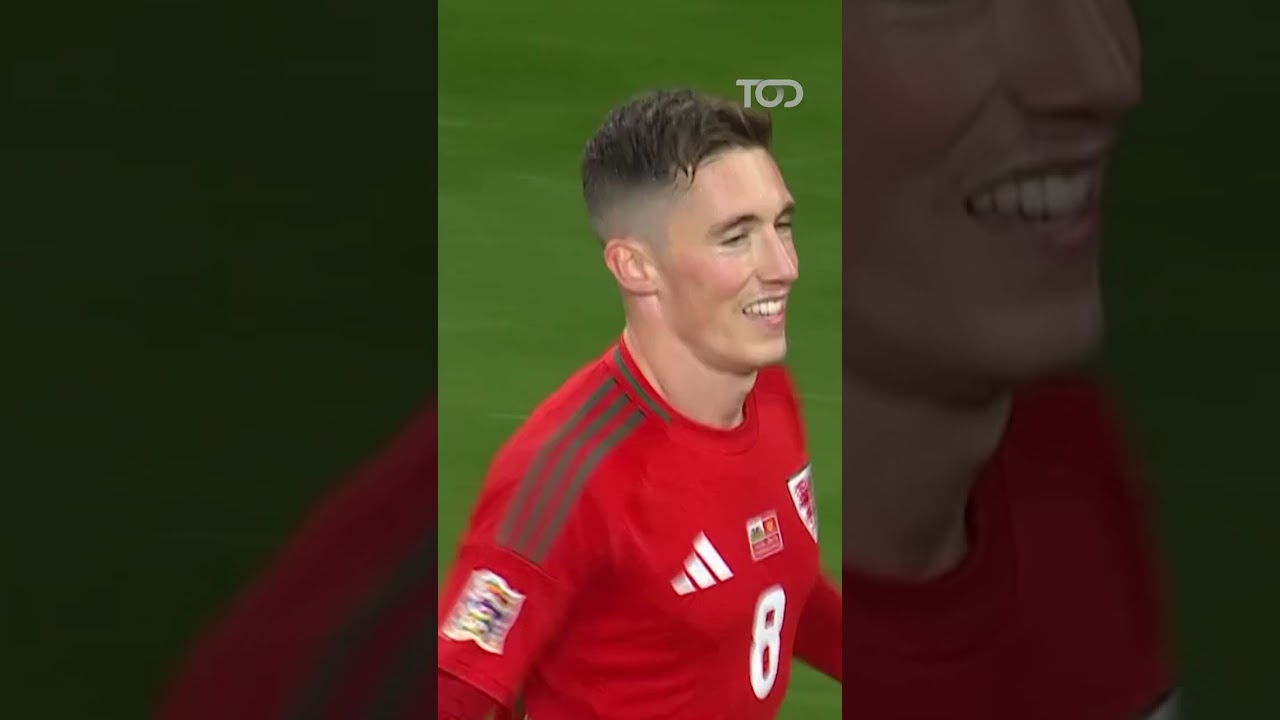
Prepare to revisit the edge-of-your-seat tension and the explosive release that only an epic last-minute goal can deliver.
Relive the Drama: Hoffenheim vs Midtjylland Last-Minute Goal
Witness the moment that captivated fans and redefined the outcome.
The Unfolding Narrative: Hoffenheim vs Midtjylland
The match itself, a captivating encounter featuring Hoffenheim, a side known for its dynamic play in the Bundesliga, and Midtjylland, formidable contenders from Denmark, was already building towards a dramatic conclusion. For much of the ninety minutes, the two teams traded blows, showcasing tactical discipline and individual brilliance. The ebb and flow of possession, the probing attacks, and the resolute defending painted a picture of two evenly matched sides unwilling to yield an inch. As the clock wound down, the tension became palpable. Every pass, every tackle, every shot on goal carried an amplified weight, hinting at a stalemate or perhaps a late winner.
In these dying moments, football transforms. The structured game plan often gives way to raw desire and instinct. Players push past their physical limits, spurred on by the knowledge that one final effort could change everything. The crowd, sensing the impending climax, rose in anticipation, their roars and murmurs a live soundtrack to the unfolding drama. It was against this backdrop of heightened emotion and dwindling time that the decisive moment arrived. A single passage of play, perhaps a last-ditch cross, a scramble in the box, or a moment of individual brilliance, culminated in a goal that sent shockwaves through the stadium and beyond.
This particular strike against Midtjylland wasn't just a goal; it was a narrative crescendo, a powerful reminder of why Football Analysis thrives on such captivating finishes. It cemented its place among the season's notable Football Highlights and sparked extensive discussion within Football News circles.
The Psychology of Stoppage Time
Stoppage time, often referred to as 'injury time', is a period where rules seem to bend and the impossible often becomes reality. For the team trailing or holding onto a slim lead, every second feels like an eternity. For the team pushing for a goal, it's a window of opportunity, a final, desperate surge. The psychological impact on both sets of players is immense, testing their mental fortitude as much as their physical endurance. This high-stakes environment is where legends are born and hearts are broken.
Beyond the Ninety Minutes: A Global Phenomenon
The drama witnessed in the Hoffenheim vs Midtjylland fixture is not an isolated incident but a recurring motif throughout football history, shaping iconic moments in leagues around the world, from the intensity of the Bundesliga and Premier League to the flair of LaLiga and Serie A, and the tactical battles of Ligue 1. These last-gasp efforts are what make the game so compelling, drawing billions to events like the FIFA World Cup and the Champions League. Think of Manchester United's dramatic comeback in the 1999 Champions League final, or Sergio Agüero's title-winning goal for Manchester City in 2012 – these are moments carved from the same stone of last-minute heroism.
Such goals not only decide match outcomes but can swing entire seasons, influencing league titles, promotion battles, and qualification spots for prestigious tournaments like the FIFA World Cup 2026. They become talking points for decades, symbols of resilience, or crushing blows that teams struggle to recover from. This intrinsic drama contributes significantly to the global appeal of football, ensuring that every match, no matter the perceived disparity between the teams, holds the potential for an unforgettable climax. It underscores why Football News cycles often revolve around these dramatic finishes.
The Hoffenheim vs Midtjylland goal, while perhaps not reaching the historical magnitude of a World Cup final winner, perfectly encapsulates this universal appeal, showcasing the sheer emotional range that football evokes.
Deconstructing the Decisive Strike: Hoffenheim's Triumph
An epic last-minute goal is rarely a stroke of pure luck; it's often the culmination of relentless pressure, strategic gambles, and individual brilliance under duress. In the Hoffenheim vs Midtjylland scenario, one can infer the home side, Hoffenheim, pressed aggressively in the final moments, throwing bodies forward and taking calculated risks. This typically involves defenders venturing into attacking positions, midfielders pushing high up the pitch, and a general abandonment of conservative play in favour of a 'do-or-die' approach.
The sequence leading to the goal would likely have involved quick transitions, direct passes, and perhaps a moment of defensive lapse from Midtjylland, exhausted by the continuous onslaught. Whether it was a header from a corner, a powerful shot from outside the box, or a tap-in after a goalmouth scramble, the execution required precision and composure. The player who scored would have needed incredible focus to convert the chance amidst the chaos, demonstrating the mental strength required to perform at the highest level of International Football.
For Midtjylland, conceding such a goal is a bitter pill to swallow. It raises questions about game management in the dying embers of a match, the ability to withstand pressure, and the crucial decisions made in critical moments. Did they drop too deep? Did they fail to clear their lines effectively? These are the questions that fuel post-match Football Analysis and define the narratives around Match Analysis. Such outcomes serve as powerful lessons for both victorious and defeated teams, informing future strategies and team development within leagues like the Bundesliga and beyond.
Ultimately, the Hoffenheim vs Midtjylland goal provided a masterclass in how swiftly fortunes can turn, and how an entire match's narrative can be rewritten in a single, unforgettable second.
The Hero and the Moment: A Player's Perspective

While specific details of the Hoffenheim goal scorer are not provided, the profile of a player who nets such a critical goal is almost universally consistent. This individual, whether a seasoned veteran or a rising star, possesses a unique blend of technical skill, mental resilience, and perhaps a touch of daring. They are the ones who refuse to give up, who seek out the opportunity when others might succumb to pressure. In the cacophony of the final minute, surrounded by tired bodies and heightened emotions, they maintain their focus, see the opening, and execute with clinical precision.
The immediate aftermath for such a player is a blur of euphoria. The celebration is often primal, a release of bottled-up tension and adrenaline. This moment defines careers, transforms perception, and cements their place in the club's lore. For the opposition, the hero's triumph is their deepest despair. The player who might have made a crucial error, or failed to clear the ball, becomes an unfortunate footnote in the dramatic tale. These individual narratives woven into Match Analysis are what make football so compelling and relatable.
Every league, from the Bundesliga to the Champions League, has its heroes of the final minute. The Hoffenheim player who scored against Midtjylland joined this illustrious list, becoming a key figure in that particular Football Highlight.
"Football is simple, but it is difficult to play simple." – Johan Cruyff. And yet, in the most complex moments, sometimes a single, simple, decisive action changes everything.
The Chess Game in the Closing Stages
Tactical decisions in the final minutes of a match are incredibly high-stakes. For the team seeking a goal, like Hoffenheim in this instance, managers might employ strategies such as introducing an extra striker, pushing full-backs high up the pitch to provide crosses, or instructing central defenders to join set pieces in open play. The objective is to create numerical superiority in the attacking third, overwhelming the opposition's defensive lines. This often involves bypassing the midfield, relying on long balls, flick-ons, and second balls within the penalty area.
Conversely, the defending team, Midtjylland, would have faced the challenge of maintaining their defensive shape while under immense pressure. The manager's instructions would typically focus on staying compact, denying space, and clearing the ball at all costs, even if it means sacrificing possession. However, fatigue, miscommunication, or a moment of individual error can quickly unravel a well-drilled defensive unit. The decision to substitute defensive players for fresh legs, or to maintain an attacking outlet for counter-attacks, also plays a critical role. This dynamic interplay of offensive and defensive tactics makes Football Analysis of late goals particularly insightful.
The Hoffenheim vs Midtjylland match served as a prime example of this tactical tension, where the manager's final gambits and the players' execution under pressure determined the ultimate outcome. It’s the kind of game that fuels discussions about strategy across all levels of International Football, from the Bundesliga to the FIFA World Cup.
Impact on the Campaign: Beyond a Single Result
An epic last-minute goal has repercussions that extend far beyond the final whistle of a single Hoffenheim vs Midtjylland fixture. For Hoffenheim, such a victory would provide an immeasurable boost in morale, injecting confidence into the squad and potentially sparking a run of positive results. The psychological lift of snatching victory from the jaws of a draw or defeat can be a catalyst for improved performances in subsequent Bundesliga matches, or in their European campaign if this was a qualifier for the Champions League or Europa League.
For Midtjylland, the impact could be severe. Conceding late can be a deflating experience, leading to questions about their resilience and ability to close out games. This could affect their league form in Denmark and their aspirations in European competitions. In tightly contested leagues, where every point matters, a single late goal can be the difference between qualification for Europe, avoiding relegation, or even winning the title. This is evident in the narratives of the Premier League, LaLiga, Serie A, and Ligue 1, where dramatic finishes often define the season.
These moments become essential components of Football News and Football Highlights packages, shaping the perception of teams and influencing the trajectory of their entire season. The Hoffenheim vs Midtjylland match provided a vivid illustration of this broader competitive impact.
Expert Opinion: The Anatomy of a Late Goal
"Last-minute goals are a testament to football's inherent unpredictability. They're born from a blend of desperation and opportunity, where tactical structure often gives way to raw human drama. What appears chaotic is often the result of immense pressure meeting a single, decisive action. These are the moments fans remember, the stories journalists write, and the reasons we all keep coming back to the beautiful game, eagerly awaiting the next FIFA World Cup or Champions League final."
– A seasoned football analyst
The Enduring Legacy of Drama
The Hoffenheim vs Midtjylland epic last-minute goal will undoubtedly be revisited in future Football Highlights reels and discussions. It serves as a stark reminder that in football, nothing is truly decided until the final whistle. This philosophy permeates every level of the sport, from local leagues to the pinnacle of International Football at the FIFA World Cup.
As the football world looks towards future tournaments, including the highly anticipated FIFA World Cup 2026, the potential for such dramatic finishes remains a core part of the game's appeal. Whether it's a Bundesliga showdown, a thrilling Premier League fixture, a captivating Serie A clash, or a decisive Champions League encounter, the possibility of an unforeseen twist in the dying seconds keeps billions of fans glued to their screens and seats. This commitment to the unexpected is what ensures football remains the world's most beloved sport.
The quest for such unforgettable moments drives players, coaches, and supporters alike, promising that the thrill of the last-minute goal will forever be etched into the very soul of the beautiful game.
Frequently Asked Questions About Last-Minute Goals
Q: Why are last-minute goals so dramatic?
A: They combine dwindling time with immense pressure, creating a high-stakes scenario where every action is magnified. The sudden shift in outcome from near certainty to unexpected triumph or despair creates profound emotional responses.
Q: How do teams score last-minute goals?
A: Often through aggressive attacking strategies, taking risks by pushing players forward, direct play, and capitalizing on defensive fatigue or lapses. Set pieces, like corners and free kicks, are also prime opportunities.
Q: What is 'stoppage time' or 'injury time'?
A: It's extra time added at the end of each half to compensate for stoppages during the game (e.g., injuries, substitutions, goal celebrations). It's famously a period where dramatic events frequently unfold.
Q: Do last-minute goals impact season outcomes?
A: Absolutely. A single point gained or lost in the final seconds can be crucial for league titles, qualification for competitions like the Champions League or Europa League, or avoiding relegation, as seen across leagues like the Bundesliga, Premier League, LaLiga, Serie A, and Ligue 1.
About FIFA WORLD CUP NOOR
FIFA WORLD CUP NOOR is your premier destination for unparalleled Football News, in-depth Football Analysis, and the most captivating Football Highlights from around the globe. We bring you closer to the action, from the intense rivalries of the Bundesliga to the global spectacle of the FIFA World Cup and the FIFA World Cup 2026. Our mission is to deliver premium, insightful content that celebrates the beautiful game in all its glory, offering expert perspectives on International Football, Match Analysis, and every thrilling moment.
Join us as we explore the tactical nuances of the Champions League, the flair of LaLiga, the grit of the Premier League, the strategic battles of Serie A, and the elegance of Ligue 1. With FIFA WORLD CUP NOOR, you're always at the heart of the world of football.
Keywords:
FIFA World Cup, FIFA World Cup 2026, Football News, Football Analysis, International Football, Football Highlights, Match Analysis, Champions League, Premier League, LaLiga, Serie A, Bundesliga, Ligue 1, Hoffenheim, Midtjylland, Last-Minute Goal, Football Drama.



No comments:
Post a Comment