


Setting the Stage: North African Aspirations on the Global Stage
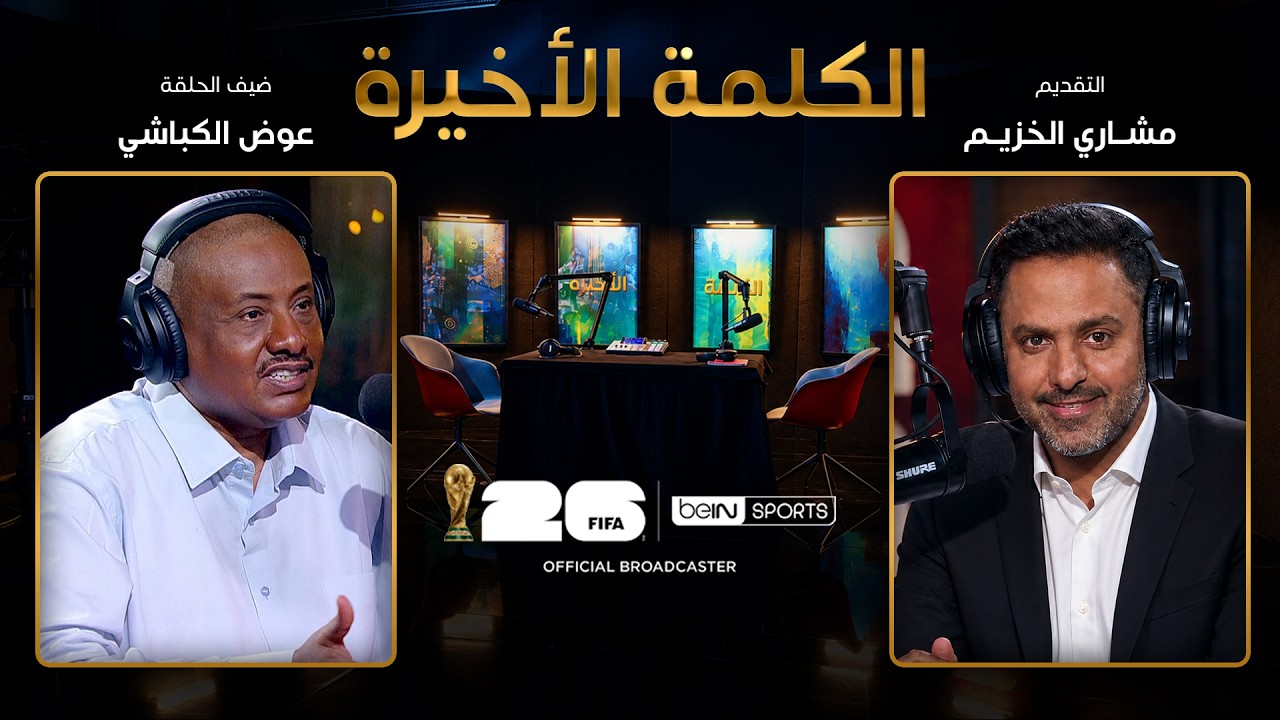
The FIFA World Cup represents the pinnacle of international football, a grand stage where nations battle for glory and etch their names into history. For football-crazed regions like North Africa, the tournament is more than just a competition; it's a testament to national pride, a source of immense joy, and a platform to showcase their unique brand of football to the world. In a recent exclusive analysis from the renowned beIN SPORTS studio, football luminary Badr Eddine El-Idrissi delved deep into the burgeoning ambitions of three North African powerhouses: Morocco, Egypt, and Tunisia. His insights offer a compelling look into the tactical nuances, player development, and broader strategic visions these nations are employing as they eye success in upcoming FIFA World Cup tournaments, including the eagerly anticipated FIFA World Cup 2026.
This article, presented by FIFA WORLD CUP NOOR, meticulously breaks down El-Idrissi's comprehensive perspectives, exploring the historical context of North African participation, their current strengths and challenges, and the potential pathways to achieving their World Cup dreams. From the tactical battlegrounds to the individual brilliance of key players, we examine what it truly takes for these nations to not just qualify, but to leave an indelible mark on the global football landscape. The journey to the FIFA World Cup is fraught with challenges, yet the passion and potential within Morocco, Egypt, and Tunisia suggest an exciting era lies ahead for International Football, with greater aspirations than ever for Football Highlights.
As the football world continually evolves, so too do the strategies and ambitions of national teams. North African football has always been characterized by a blend of technical skill, robust physicality, and unwavering passion. However, the modern game demands more: sophisticated tactical approaches, comprehensive player development systems, and the ability to adapt to diverse opponents and high-pressure environments. Badr Eddine El-Idrissi's expert commentary, known for its depth and clarity, provides an invaluable lens through which to understand these intricate dynamics. His analysis on beIN SPORTS not only highlights the immediate prospects but also casts an eye on the long-term vision these nations hold for their footballing future, aiming for sustained success on the FIFA World Cup stage.
The North African Challenge: Navigating the Path to World Cup Glory
While Badr Eddine El-Idrissi's discussion transcended any single match, focusing instead on the overarching ambitions, it is crucial to understand the competitive terrain these nations face. For Morocco, Egypt, and Tunisia, the road to the FIFA World Cup is typically a gruelling one, contested through the Confederation of African Football (CAF) qualification rounds. These campaigns are notorious for their intensity, demanding not only tactical prowess and player quality but also immense mental fortitude to navigate challenging away fixtures, diverse playing conditions, and fierce regional rivalries. Each qualification cycle presents its own unique narrative, filled with dramatic moments, unexpected upsets, and the relentless pursuit of one of Africa's coveted berths. Such Football Match Analysis underscores the formidable journey.
Historically, these North African giants have experienced varying degrees of success in qualifying for the World Cup. Morocco, with their historic semi-final run in the previous tournament, stands as a beacon of what African teams can achieve. Their ability to overcome global powerhouses illustrated a new era for African Football. Egypt, the 'Pharaohs,' boast a rich footballing heritage, though their World Cup appearances have been less frequent than their dominance in African competitions might suggest. Their history is rich with continental triumphs, yet translating that into consistent World Cup progression remains a key objective for their Football Analysis. Tunisia, the 'Eagles of Carthage,' are regulars on the international stage, known for their disciplined approach and ability to spring surprises, often punching above their weight in tough groups.
The analysis by El-Idrissi likely touched upon how current team dynamics, coaching philosophies, and player form are shaping their immediate and long-term prospects. This includes a review of recent performances in the African Cup of Nations, friendly matches, and ongoing qualification games for the FIFA World Cup 2026. Understanding this general competitive landscape – the nature of African qualifiers, the pressure of tournament football, and the continuous evolution of international football strategies – is essential to grasping the magnitude of their World Cup ambitions. Every step, from friendly matches to crucial qualification deciders, serves as a litmus test for their readiness to compete among the world's elite in Football News, providing valuable insights for future Football Analysis.
The mental aspect of World Cup qualification cannot be overstated. Teams must not only be physically prepared but also mentally resilient to handle the intense pressure from their fans and media. The ability to perform consistently under such scrutiny, especially in critical moments, often separates qualifiers from contenders. North African nations, with their passionate fan bases, feel this pressure acutely, which can both drive them to spectacular heights and, at times, create additional hurdles. El-Idrissi’s perspective undoubtedly weighed these intangible factors, recognizing that the journey to the FIFA World Cup is as much a mental battle as it is a physical and tactical one.
The Evolving Global Stage: Africa's Place in the FIFA World Cup
The FIFA World Cup is constantly evolving, and the context for African nations, including Morocco, Egypt, and Tunisia, is perhaps more dynamic than ever before. With the expansion of the tournament format for the FIFA World Cup 2026, the number of participating teams will increase significantly, offering more qualification spots to various confederations, including CAF. This expansion presents both an opportunity and a renewed challenge. While more African teams will likely qualify, the competitive intensity within the continent may also rise as more nations vie for these coveted places, making the qualification path even more enthralling for Football Highlights enthusiasts.
Historically, African teams have often been underestimated, yet they consistently bring passion, athleticism, and moments of spectacular skill to the World Cup. Morocco's unprecedented journey to the semi-finals in the last World Cup shattered perceptions and set a new benchmark for African football. This performance serves as a powerful testament to the continent's growing prowess and provides immense inspiration for other African nations, particularly their North African counterparts, Egypt and Tunisia. It demonstrated that tactical discipline, collective spirit, and individual brilliance can indeed overcome traditional footballing hierarchies, generating immense Football News and elevating the continent's standing in International Football.
The competitive context also includes the increasing globalization of football. Many players from Morocco, Egypt, and Tunisia ply their trade in top European leagues such as the Premier League, LaLiga, Serie A, Bundesliga, and Ligue 1. This exposure to high-level club football, including the Champions League, significantly elevates their individual skills, tactical understanding, and experience in high-pressure environments. Such players return to their national teams with invaluable insights and a winners' mentality, contributing to a more professional and resilient national squad. El-Idrissi’s analysis likely highlighted how this integration into elite European club football is a critical factor in enhancing the World Cup ambitions of these North African footballing nations.
Furthermore, the strategic importance of youth development programs and the continuous investment in coaching infrastructure across the continent also contribute to this evolving landscape, promising a brighter future for African representation on the grandest stage. The influence of modern sports science, nutrition, and psychological support is also becoming more prevalent, allowing these teams to prepare more thoroughly and sustainably. The FIFA World Cup 2026, with its expanded format, is poised to be a watershed moment for African football, where North African nations are expected to play a leading role, fueled by their growing capabilities and the powerful precedent set by Morocco. This robust approach to player and team development underscores a serious commitment to competing at the highest level of global Football News and Football Analysis.
The rising global interest in African football is not just anecdotal; it's backed by increasing viewership, investment, and scouting activities. The narratives of players rising from modest backgrounds to star in the Champions League or in the Premier League resonate deeply, adding a powerful human element to the competitive drive. This exposure also attracts more strategic partnerships and resources into African football, creating a virtuous cycle of development and opportunity. The North African nations are at the forefront of this movement, embodying the blend of traditional passion and modern professionalism that defines contemporary International Football.
Tactical Approaches: Decoding North African Football Philosophies
A cornerstone of Badr Eddine El-Idrissi's expert analysis would undoubtedly involve a deep dive into the tactical blueprints employed by Morocco, Egypt, and Tunisia. While each nation possesses its unique footballing identity, there are common threads that often run through North African tactical approaches when competing in demanding tournaments like the FIFA World Cup. Typically, these teams combine robust defensive organization with moments of individual flair and incisive counter-attacking play, often designed to maximize their strengths against technically superior opponents. This tactical pragmatism is a hallmark of their Football Analysis.
Morocco, for instance, showcased a masterclass in defensive solidity and disciplined structure in their recent World Cup campaign. Their ability to absorb pressure, maintain shape, and then transition rapidly through dynamic wingers and a technically gifted midfield proved incredibly effective against some of the world's top teams. This pragmatic yet potent style allowed them to punch above their weight, highlighting the importance of collective effort and tactical adherence. The emphasis is often on frustrating opponents, controlling the midfield battle through aggressive pressing and intelligent positioning, and capitalizing on set-pieces or quick breaks with clinical finishing. Their tactical flexibility, moving between a compact defensive block and fluid attacking transitions, was a major factor in their success and a point of much Football Match Analysis.
Egypt, on the other hand, often relies on a blend of tactical pragmatism and the brilliance of star individuals. Historically, their strength has been built on a solid backline and a midfield that is adept at controlling possession and disrupting opposition play. When they combine this with explosive attacking talents, they become a formidable opponent capable of producing stunning Football Highlights. The challenge for Egypt often lies in ensuring that the collective system enhances, rather than restricts, the creativity of their key players, creating a synergistic effect that elevates the entire team. Their tactical evolution focuses on building a cohesive unit that can defend resolutely while providing quick service to their forwards, especially in high-stakes International Football matches.
Tunisia traditionally fields well-drilled teams that prioritize organization and discipline. Their tactical approach often involves a compact formation, making them difficult to break down, combined with smart possession play and an ability to exploit weaknesses in the opposition's defense through quick passes and intelligent movement. They are known for their resilience and tactical awareness, often making life incredibly difficult for more fancied opponents. The 'Eagles of Carthage' embody a strategic patience, waiting for the opportune moment to strike, a characteristic often observed in their Football Analysis, especially in the Premier League or LaLiga teams they face.
El-Idrissi's insights would likely consider how these tactical philosophies are adapting to modern football trends. The increasing emphasis on high pressing, fluid formations, and data-driven analysis means that coaches for these national teams are constantly evolving their strategies. The blend of experienced European-based professionals and emerging domestic talents also allows for greater tactical flexibility. Success at the FIFA World Cup level often hinges on a team's ability to adapt their tactics to different opponents and game situations, and the North African nations are demonstrating a growing sophistication in this regard, a testament to the advancements in Football Analysis. The meticulous preparation, often including detailed opposition scouting and tailor-made game plans, reflects their ambition to not just participate, but to truly compete and leave a lasting impression at the FIFA World Cup 2026.
Unearthing Talent: The Key Figures Fueling World Cup Dreams
While it is impossible to predict specific lineups or individual performances for future tournaments, Badr Eddine El-Idrissi's analysis undoubtedly highlighted the critical role of player quality and depth in achieving World Cup ambitions. North African football is renowned for producing technically gifted players, often with a robust physical presence, who seamlessly blend skill with an unwavering competitive spirit. These nations benefit immensely from a diaspora of talent, with many of their brightest stars honing their craft in Europe's elite leagues, including the Premier League, LaLiga, Serie A, Bundesliga, and Ligue 1. Their contributions are often featured in Football Highlights across these leagues.
Morocco's recent success was built on a core of players who are stalwarts in these major European divisions, as well as the Champions League. These players bring a wealth of experience, tactical maturity, and a winning mentality derived from competing at the highest club level. Their ability to perform under immense pressure, dictate play in midfield, provide defensive solidity, or deliver decisive attacking moments is paramount. The blend of defensive stalwarts, creative midfielders capable of unlocking defenses, and dynamic forwards forms the backbone of their competitiveness, providing a strong foundation for any Football Match Analysis.
Egypt's aspirations are often tied to the impact of their talismanic figures, those capable of single-handedly changing the course of a match through moments of individual brilliance. Beyond individual brilliance, the strength lies in developing a cohesive unit that supports and maximizes these talents, ensuring a robust structure around their star players. Tunisia also boasts a contingent of disciplined professionals, many of whom have significant experience in European football. These players contribute to a balanced squad, providing both defensive steel and moments of attacking ingenuity, making them unpredictable opponents in International Football. The focus for all three nations is on nurturing both established stars and integrating promising young talents from their domestic leagues and academies, ensuring a continuous supply of quality for their national teams and for future FIFA World Cup campaigns.
El-Idrissi's insights would have underscored the importance of player development pathways, robust scouting networks, and the psychological readiness of these athletes. The demands of the FIFA World Cup are immense, requiring players who can not only perform technically and physically but also manage the emotional and mental pressure of representing their nation on the global stage. The continued investment in these areas is vital for Morocco, Egypt, and Tunisia as they strive to elevate their International Football standing and make a profound impact on future World Cup tournaments, with sights set firmly on the FIFA World Cup 2026. This comprehensive approach to talent management is critical for converting raw potential into world-class performance, consistently generating positive Football News and Football Highlights.
The development of youth talent within their own domestic leagues is equally important. Strong youth academies and competitive local leagues provide a crucial breeding ground for future national team stars. By fostering a culture of excellence from a young age, these nations ensure a sustainable pipeline of talent, reducing over-reliance on foreign-based players and strengthening the overall depth of their squads. This balanced approach to player sourcing – leveraging both international experience and homegrown talent – is a strategic move that El-Idrissi would likely applaud as fundamental for long-term World Cup success.
Defining Moments: The Heartbeat of North African World Cup Journeys
While no specific match highlights were detailed in the metadata, Badr Eddine El-Idrissi's discussion on North African ambitions inherently brings to mind the 'key moments' that define a nation's World Cup narrative. These are not always about goals or dramatic comebacks but can be pivotal displays of tactical resilience, individual brilliance under pressure, or collective spirit that transcends expectations. For Morocco, the recent FIFA World Cup provided a cascade of such moments – the defensive masterclass against Spain, the disciplined victory over Portugal, and their spirited performances against other top-tier teams. These were moments that captured the imagination of the world and ignited hope across the African continent, becoming instant Football Highlights and topics of extensive Football Analysis.
For Egypt, historical key moments often revolve around qualification campaigns that thrilled the nation, even if subsequent tournament performances sometimes fell short of expectations. The sheer joy and national unity sparked by their qualification for previous World Cups are unforgettable, marking significant milestones in their Football News. The dramatic goals, the heroic saves, and the collective effort required to overcome continental rivals define these cherished moments. These periods of elation underscore the deep emotional connection between the team and its supporters, a vital component of their International Football journey.
For Tunisia, their consistent presence on the global stage, often defying odds in fiercely contested qualification groups, reflects a nation that understands how to seize crucial moments. Their disciplined performances and ability to challenge established football powers, even in defeat, underscore their tenacity. Moments of tactical brilliance or individual skill that resulted in crucial points or memorable goals are etched into their World Cup history, serving as proud Football Highlights for the nation. The ability to perform under the immense pressure of a FIFA World Cup, often against teams featuring stars from the Premier League or Champions League, speaks volumes about their resilience.
El-Idrissi's expert opinion would likely emphasize that these key moments are not accidental but are the culmination of years of strategic planning, player development, and the cultivation of a winning mentality. They are born from rigorous training, meticulous tactical preparation, and the ability of players to execute under the most intense global scrutiny. As these nations look towards the FIFA World Cup 2026, the aspiration is to create even more memorable key moments – moments that lead to deeper runs in the tournament, moments that inspire a new generation of footballers, and moments that cement their place among the elite of International Football. These highlights are not just fleeting images; they are the narrative fabric of a nation's footballing identity, fueling hopes for future Football News and Football Highlights. The desire to go further than ever before is palpable, driving continuous improvement and a relentless pursuit of excellence in every Football Match Analysis.
The impact of these key moments extends beyond the pitch, resonating deeply within the cultural and social fabric of these nations. They create national heroes, inspire young children to pick up a ball, and foster a sense of collective identity and pride. For Morocco, Egypt, and Tunisia, every World Cup appearance is an opportunity to add to this rich tapestry of moments, reinforcing their place not just as participants, but as formidable contenders on the global football stage. This ongoing creation of memorable Football Highlights is a key part of their World Cup legacy.
Badr Eddine El-Idrissi's Verdict: Analyzing North Africa's World Cup Blueprint
The core of the discussion, as presented by Badr Eddine El-Idrissi on beIN SPORTS, centered on a meticulous evaluation of Morocco, Egypt, and Tunisia's World Cup ambitions. As a seasoned football analyst, El-Idrissi's expertise provides invaluable clarity on the distinct paths each nation is forging towards global recognition. His opinion would be rooted in a deep understanding of African football dynamics, combined with a sharp analytical eye for tactical trends, player potential, and the broader context of International Football, offering profound Football Analysis.
For Morocco, El-Idrissi would likely highlight the unprecedented momentum generated by their recent historic FIFA World Cup performance. He would emphasize that their success was not a fluke but a culmination of years of investment in youth development, a cohesive coaching philosophy, and the integration of top-tier talent from European leagues. The challenge for Morocco, as he might articulate, is to maintain this high standard, manage expectations, and evolve their tactical approach to avoid predictability, while continuing to leverage their passionate support. Their robust defensive structure and intelligent counter-attacking prowess are key strengths, but diversifying their attacking threat and developing more versatile game plans would be crucial for future tournaments, ensuring they continue to generate Football News.
Regarding Egypt, El-Idrissi’s analysis would probably focus on their enormous potential, often reliant on individual brilliance and a passionate football culture. He might suggest that while Egypt possesses world-class players, the key to consistently succeeding at the FIFA World Cup level lies in building a more consistently coherent team strategy that maximizes collective strengths beyond individual moments of genius. Developing deeper squad options and ensuring tactical flexibility across different game scenarios would be a recurring theme. The Egyptian Premier League continues to be a hotbed of talent, and integrating these domestic stars with their European counterparts in a seamless system is paramount for achieving consistent Football Highlights.
For Tunisia, El-Idrissi would commend their consistent qualification record and their reputation for being a tough, well-organized opponent. His opinion might underscore the importance of refining their attacking output to complement their defensive solidity. While they are adept at frustrating stronger teams, converting draws into wins or holding onto leads against top opposition would be a significant step forward. He might also point to the strategic advantage of their tactical discipline and how it allows them to compete effectively in complex tournament formats, often punching above their weight when facing teams from the Premier League, LaLiga, or Serie A. Enhancing their creative output in the final third would be a key area for development.
In essence, El-Idrissi's expert opinion serves as a roadmap, identifying strengths to build upon and areas requiring refinement for these North African nations to elevate their standing in International Football and make significant inroads at the FIFA World Cup 2026 and beyond. His insights emphasize that while raw talent and passion are abundant, structured planning, tactical innovation, and psychological preparation are the true differentiators at the highest echelons of global football. This comprehensive Football Analysis from a respected voice provides crucial context for understanding the ambitions and challenges facing these vibrant footballing nations.
The discussion likely also touched on the role of coaching and leadership. The appointment of experienced and tactically astute coaches, whether local or international, who understand the cultural nuances of North African football, is vital. These leaders are responsible for instilling discipline, fostering teamwork, and developing game plans that can withstand the pressures of the World Cup. El-Idrissi's unique perspective, informed by years of covering Football News and Football Highlights, would offer a nuanced view on how effective leadership on and off the pitch can transform potential into tangible success.
The Road to 2026 and Beyond: Charting North Africa's Football Future
As the football world eagerly anticipates the FIFA World Cup 2026, the focus on North African nations – Morocco, Egypt, and Tunisia – intensifies. Their ambitions are not merely to qualify, but to compete fiercely and advance beyond previous achievements. The expanded format of the upcoming tournament presents a unique opportunity, potentially increasing the number of African representatives and thus, the chances for these nations to showcase their talent on the global stage, creating more memorable Football Highlights.
For Morocco, the challenge lies in building upon their historic semi-final run. This means not only maintaining the tactical discipline and collective spirit that defined their success but also injecting new talent and evolving their playing style to surprise future opponents. The development of a strong domestic league, coupled with continued scouting and integration of diaspora players, will be crucial. They have set a new standard for African Football, and the pressure to meet or exceed it will be immense, but also a powerful motivator. Their participation in top club competitions like the Champions League, Premier League, and LaLiga further refines their players' readiness for the biggest stage, contributing significantly to their Football News coverage.
Egypt's path forward involves harnessing their immense individual talent and translating it into consistent team performances on the World Cup stage. This necessitates a strategic focus on managerial stability, a clear footballing philosophy, and fostering a deep squad where emerging talents can seamlessly integrate. Their strength in African competitions is undeniable, and the next step is to consistently replicate that dominance against global opposition. The Egyptian Premier League, a highly competitive league, provides a strong base for player development, and continued investment in coaching and infrastructure will be key for their Football Analysis.
Tunisia, with its history of World Cup participation, aims to make a significant impact beyond the group stages. Their disciplined and organized approach is a solid foundation, but enhancing their attacking creativity and goal-scoring threat will be vital for progressing further. Continuous investment in youth academies and strategic friendly matches against diverse international opponents will prepare them for the varied challenges of the FIFA World Cup 2026. Their commitment to continuous improvement, evidenced by their consistent qualification, positions them as a persistent force in International Football.
Ultimately, the future for all three nations in International Football hinges on sustained investment in grassroots development, professional coaching, sports science, and maintaining a competitive mindset. Their performances not only reflect on their respective countries but also elevate the profile of African Football globally. As Badr Eddine El-Idrissi eloquently suggested, the ambitions are clear, and the potential is undeniable. The journey to the FIFA World Cup 2026 promises to be an exhilarating chapter in the ongoing narrative of North African football, ensuring a wealth of Football News and engaging Football Highlights. The collective growth of these nations will undoubtedly shape the future landscape of the FIFA World Cup for years to come.
The continuous evolution of global football means that stagnation is not an option. These nations must consistently innovate, adapt, and refine their approaches. This includes embracing new technologies in training and performance analysis, nurturing mental fortitude alongside physical prowess, and ensuring that their footballing culture remains vibrant and inspiring. The FIFA World Cup 2026 offers a prime opportunity to demonstrate this progress, and the world will be watching keenly as Morocco, Egypt, and Tunisia strive to turn their immense ambitions into glorious reality on the grandest stage of Football Magazine coverage.
Catch the Full Analysis: Badr Eddine El-Idrissi on North African World Cup Hopes
Dive deeper into the expert opinions from the beIN SPORTS studio. Don't miss the compelling discussion on Morocco, Egypt, and Tunisia's journey to the FIFA World Cup.
▶ Watch Full Video on YouTubeFurther Insights into the Discussion

A key moment captured from the expert panel discussion on North African football aspirations.
Frequently Asked Questions about North African Football and the World Cup
Q1: How has Morocco's recent FIFA World Cup performance impacted African football?
Morocco's historic run to the semi-finals in the last FIFA World Cup significantly elevated the perception of African football on the global stage. It demonstrated that African teams possess the tactical discipline, player quality, and mental fortitude to compete with and defeat the world's elite. This achievement has inspired other African nations, including Egypt and Tunisia, to aim higher and has put a greater spotlight on the potential of International Football from the continent, leading to extensive Football News and Football Highlights coverage.
Q2: What are the main challenges for North African teams in qualifying for the FIFA World Cup 2026?
While the expanded FIFA World Cup 2026 offers more qualification spots for Africa, the qualification process through CAF remains incredibly competitive. Challenges include navigating demanding away fixtures across the continent, adapting to diverse playing conditions, managing player fatigue, and overcoming fierce regional rivalries. Consistent tactical execution and maintaining peak player form throughout the long qualification campaigns are crucial for success in Football Match Analysis, often requiring profound Football Analysis and strategic planning.
Q3: How do players from European leagues contribute to the success of Morocco, Egypt, and Tunisia?
Many key players for these North African nations play in top European leagues like the Premier League, LaLiga, Serie A, Bundesliga, and Ligue 1, often competing in the Champions League. This exposure provides them with high-level tactical understanding, physical conditioning, and experience in high-pressure environments. They bring back a professional mindset, enhanced skills, and a winning mentality that significantly strengthens their respective national teams, directly impacting their Football Highlights and overall performance on the global stage of International Football.
Q4: What tactical approaches are commonly seen from North African teams in the World Cup?
North African teams often blend disciplined defensive organization with moments of individual brilliance and effective counter-attacking play. Morocco recently showcased a pragmatic yet potent style emphasizing defensive solidity and rapid transitions. Egypt often relies on robust defense coupled with the impact of star attackers, while Tunisia is known for its well-drilled, organized approach that makes them difficult to break down. Adaptability to opponents and game situations is key for success in World Cup Football Analysis and for generating compelling Football Highlights.
Q5: What is the long-term vision for North African football to achieve sustained World Cup success?
The long-term vision involves sustained investment in grassroots football development, enhancing professional coaching standards, leveraging sports science, and fostering strong domestic leagues. It also includes optimizing scouting networks to identify and nurture talent, particularly those playing abroad. The goal is to build deep, adaptable squads capable of consistently competing at the highest level of International Football, turning aspirations for Football News into tangible achievements in tournaments like the FIFA World Cup and contributing to comprehensive Football Magazine content.
About FIFA WORLD CUP NOOR
FIFA WORLD CUP NOOR is your independent, premium football magazine, dedicated to bringing you unparalleled coverage and in-depth Football Analysis from across the globe. We go beyond the headlines to deliver compelling stories, tactical breakdowns, and expert opinions on the most significant events in the football calendar.
Our passionate team covers everything from the drama of the FIFA World Cup and the road to World Cup 2026, to the thrilling battles in the Champions League, Premier League, LaLiga, Serie A, Bundesliga, and Ligue 1. We are your ultimate source for International Football news, Football Match Analysis, and unforgettable Football Highlights. Join us as we celebrate the beautiful game in all its glory!
Keywords & Hashtags:



No comments:
Post a Comment