


Forced Substitution for Mohamed Salah: A Critical Moment in Football
Analyzing the profound impact and broader implications of key player absences on the pitch.
The Unpredictable Nature of Football: When Stars Are Forced Off
Football, often lauded as the beautiful game, is a tapestry woven with moments of breathtaking skill, strategic genius, and unyielding drama. Yet, it also possesses an inherent unpredictability, where the course of a match, a season, or even a tournament can be irrevocably altered in a single, unforeseen instant. Among the most impactful of these moments is the forced substitution of a pivotal player, particularly a global icon like Mohamed Salah. When a player of his calibre is compelled to leave the pitch, whether due to injury or another unforeseen circumstance, it sends ripples not just through his team's immediate performance but also through the collective psyche of fans, analysts, and opponents alike. Such an event transcends the tactical board, becoming a narrative defining point that encapsulates the vulnerability and resilience inherent in top-tier sports.
This article delves into the multi-faceted implications of a forced substitution involving a player like Mohamed Salah. We will explore the immediate on-field adjustments, the broader strategic ramifications for both club and national teams, and the psychological impact on a squad suddenly deprived of its talisman. We will also consider the resilience required to navigate such challenges and the perpetual readiness demanded in the unforgiving arena of elite football. From the high-stakes battlegrounds of the Premier League and the Champions League to the grand stage of the FIFA World Cup, the absence of a star can redefine expectations and outcomes, making every moment on the pitch a testament to fortitude and adaptability.
The whispers of concern, the anxious glances from the dugout, and the collective sigh of a stadium can all be attributed to the undeniable reality that in football, the health and availability of star players are paramount. This examination seeks to understand the weight of such moments and their lasting resonance within the footballing world.
The Crucible of Competition: Understanding the Match Context
While specific match details are not available, the general context of elite football matches provides ample background for understanding the intensity surrounding a forced substitution. Modern football is characterized by relentless physical demands, high tactical sophistication, and immense pressure. Every encounter, whether a league fixture, a cup tie, or an international qualifier, is a mini-drama where fortunes can swing in an instant. Players are pushed to their physical and mental limits, leading to situations where injuries or fatigue-induced decisions become inevitable.
In any given match, teams are often locked in a delicate balance, with each side striving to exploit weaknesses and protect their strengths. The flow of the game can be dictated by moments of individual brilliance, collective defensive efforts, or decisive tactical shifts from the sidelines. A forced substitution disrupts this equilibrium. It forces a coach to react, often swiftly and under duress, to re-establish stability or introduce a new dynamic. The nature of the competition – whether it's the domestic grind of the Premier League or LaLiga, the knockout tension of the Champions League, or the crucial points at stake in a FIFA World Cup qualifier – magnifies the significance of every decision and every player's availability.
Players like Mohamed Salah are often targeted by opposition defenders due to their threat, sometimes leading to robust challenges. Even without direct contact, the sheer volume of sprints, changes of direction, and explosive movements required at the top level can lead to muscular strains or other non-contact injuries. Thus, the scenario of a star player being forced off is a common, albeit unfortunate, reality in the high-octane world of professional football, constantly reminding us of the fine line between triumph and adversity.
The Broader Stage: Competitions and Their Demands
Mohamed Salah is a player whose influence extends across multiple elite competitions, from the fiercely contested Premier League and the UEFA Champions League to crucial international fixtures, including qualification campaigns for the FIFA World Cup and the main tournament itself. Each of these stages presents its own unique set of physical and mental challenges, contributing to the context in which player availability becomes paramount.
In domestic leagues like the Premier League, LaLiga, Serie A, Bundesliga, or Ligue 1, the relentless schedule means that players are constantly managing fatigue and minor knocks. The battle for league titles, European qualification spots, or survival from relegation places an incredible strain on squads. The depth of a team's bench is often the defining factor in sustained success over a long season. For a player who consistently leads the goal-scoring charts and provides creative spark, his absence in even one league match can have significant repercussions on the points tally.
The Champions League, Europe's premier club competition, amplifies the pressure. Matches are often decided by razor-thin margins, and the calibre of opposition demands peak performance from every player. A forced substitution in a Champions League knockout tie could derail a club's entire European campaign, impacting not only sporting ambition but also significant financial revenues. The tactical chess game between Europe's best managers makes the loss of a key attacker like Salah an even more complex problem to solve in real-time.
On the international front, the stakes are equally high. Representing one's country in FIFA World Cup qualifiers or the FIFA World Cup itself is the pinnacle for many players. These tournaments, held once every four years, are short, intense, and unforgiving. The loss of a star player here can devastate a nation's hopes and dreams. Teams often rely heavily on their standout talents to inspire and deliver in crucial moments. The narrative of the FIFA World Cup is frequently shaped by the presence or absence of its biggest stars, making every individual moment, like a forced substitution, critically important for fans globally.
Across all these competitions, the physical toll on players is immense. Modern football analysis and sports science strive to mitigate risks, but the inherent nature of the game means that incidents leading to forced substitutions will always be a part of the sporting landscape. It underscores the incredible resilience and depth required by teams aiming for glory at any level of the global football ecosystem.
The Tactical Ripple: Adjusting to the Unexpected
The forced substitution of a player, particularly one with the tactical importance of Mohamed Salah, triggers an immediate and complex tactical readjustment. Modern football systems are highly interdependent, with each player fulfilling specific roles within a carefully constructed framework. The sudden departure of a key figure can unravel carefully laid plans and demand swift, decisive action from the coaching staff.
Impact on Attacking Dynamics
Mohamed Salah, typically operating from the right wing, is renowned for his blistering pace, clinical finishing, and ability to cut inside onto his stronger left foot. His presence stretches opposition defences, creates space for teammates, and is a constant goal threat. When he leaves the field, the primary impact is on the team's attacking thrust. The team might lose:
- Direct Goal Threat: Salah's individual goal-scoring record is exceptional, and his absence means losing a significant source of goals.
- Width and Depth: His ability to stay wide and then run in behind defenders provides a crucial dimension to the attack.
- Pressing Intensity: Salah is also an integral part of his team's high pressing scheme, and a change here can affect defensive transitions.
- Creative Outlet: Beyond goals, he contributes significantly with assists and key passes, breaking down compact defences.
Coaching Decisions and Substitutes
The coach faces critical decisions. The most straightforward approach is a like-for-like substitution, bringing on a direct replacement who can mimic Salah's role. However, the quality and specific attributes of the substitute may differ, requiring minor tactical tweaks. Alternatively, a coach might seize the opportunity to change the team's entire formation or strategy. For example:
- Formation Change: Shifting from a 4-3-3 to a 4-4-2 or a 4-2-3-1 could be an option, perhaps sacrificing a winger for an additional central midfielder or striker.
- Role Reassignment: An existing player might be moved to the right wing, such as a left-footed player operating as an inverted winger or a more traditional wide player.
- Defensive Reinforcement: If the team is holding a lead, the coach might bring on a more defensively-minded player to shore up the midfield and protect the advantage, altering the attacking emphasis.
The timing of the substitution also plays a crucial role. Early in the game, there is more time to adapt. Later in a tight match, a change can be more disruptive or, conversely, a masterstroke if the replacement immediately makes an impact. The opposition also takes note, potentially adjusting their defensive schemes to account for the change in attacking threat.
Psychological Impact
Beyond tactics, there's a significant psychological element. Teammates might feel a dip in confidence, especially if the star player is also a leader. Conversely, it can galvanize a team, inspiring them to fight harder to compensate for the loss. For the substitute, it's a sudden, often unexpected, opportunity to prove their worth under pressure, potentially on a grand stage like a Champions League night or a FIFA World Cup fixture. These dynamic adjustments are a testament to the complex nature of football, where every second and every decision carries immense weight. Football analysis often dissects these moments to understand the fine margins that define success and failure.
Mohamed Salah: The Unstoppable Force and His Indispensable Role
Mohamed Salah has firmly established himself as one of the most electrifying and prolific forwards in modern football. His journey from an aspiring talent to a global superstar is a testament to his relentless work ethic, exceptional skill, and unwavering determination. For both his club and the Egyptian national team, Salah is far more than just a goal scorer; he is an architect of attacks, a tactical linchpin, and an inspirational figure.
A Profile in Brilliance
Salah's playing style is defined by a unique blend of attributes. His explosive acceleration and deceptive speed allow him to routinely beat defenders and exploit space behind the backline. Coupled with his close control and dribbling ability, he can mesmerize opponents in tight areas. What truly sets him apart, however, is his remarkable goal-scoring instinct and composure in front of goal. Operating primarily from the right wing, he expertly cuts inside, using his left foot to unleash powerful and precise shots, often curling into the far corner. This "inverted winger" role has become his signature, making him incredibly difficult to mark for any defender in the Premier League, Champions League, or international football.
More Than Just Goals
While his goal tally consistently garners headlines, Salah's contribution extends to his playmaking. He possesses excellent vision, delivering crucial assists and threading passes through defensive lines. His movement off the ball is intelligent, creating opportunities not only for himself but also for his teammates. Furthermore, his defensive work rate, particularly in pressing high up the pitch, is vital to his team's overall tactical approach, disrupting opposition build-up and forcing turnovers in dangerous areas.
Influence and Leadership
Off the pitch, Salah is a cultural icon, especially in his native Egypt and across the Arab world. His success on the global stage, including his performances in the Champions League and his role in helping Egypt qualify for the FIFA World Cup, has made him a source of immense pride and inspiration. His dedication, humility, and sportsmanship have further cemented his status as a role model. On the field, he leads by example, showcasing relentless effort and an insatiable desire to win.
The prospect of his forced absence, therefore, weighs heavily on any team. Replacing his unique blend of speed, skill, goals, and influence is an almost insurmountable task, even for clubs with significant squad depth competing in the Premier League, LaLiga, Serie A, or the FIFA World Cup. His pivotal role underscores why his moments on and off the field are always subject to intense football news coverage and football analysis.
Defining the Game: Key Moments Beyond the Scoreline
Football matches are not merely a sequence of passes and shots culminating in a scoreline. They are a collection of "key moments" that shape the narrative, influence the flow, and ultimately determine the outcome. While goals, spectacular saves, and decisive tackles often grab the highlights, a forced substitution, especially involving a player of Mohamed Salah's stature, is undeniably one of these critical junctures. These moments resonate beyond the immediate incident, becoming subjects of extensive football analysis and fan discussion.
The Genesis of a Shift
A forced substitution represents a pivot point. Before the event, a team might be executing its game plan with precision, relying on specific player attributes to unlock defenses or maintain solidity. The moment a star player signals for help or goes down clutching a limb, an invisible clock starts ticking. The medical team's assessment, the coach's frantic discussions with his assistants, and the preparation of the substitute all unfold under intense pressure, adding layers of drama to the match.
The subsequent entrance of a new player isn't just a personnel change; it's a recalibration of energy, tactics, and perhaps even morale. Sometimes, a substitute brings unexpected vigour, a fresh perspective, or a different skill set that the opposition struggles to contain. Other times, the disruption proves too significant, and the team struggles to regain its rhythm. These are the nuances that make football such a compelling spectacle, where human elements of resilience, strategy, and sheer luck intertwine.
Emotional and Psychological Ripple Effects
Beyond the tactical board, these moments create profound emotional and psychological ripples. For the player leaving the field, there is often frustration, disappointment, and concern for their own well-being and their team's performance. For his teammates, it can be a moment of anxiety, a test of their collective resolve to overcome adversity. For the fans, particularly those deeply invested in the club or national team, it can elicit groans of despair, hopeful cheers for the incoming player, or a quiet, nervous anticipation of what is to come.
From the group stages of the FIFA World Cup to a pivotal Premier League clash, these non-goal-scoring highlights are frequently dissected in football highlights reels and post-match discussions, demonstrating how a single event can irrevocably alter the course of a game and become a lasting memory for those who witness it. They underscore the dynamic, fluid nature of football, where every second counts, and every player's presence is invaluable.
The Verdict from the Touchline: Navigating Adversity
"In the unforgiving world of elite football, the ability to adapt in moments of crisis truly defines a championship-calibre team. A forced substitution, especially of a player as influential as Mohamed Salah, isn't just about finding a replacement; it's about the collective belief of the squad, the tactical astuteness of the coaching staff, and the depth of talent nurtured over time. These are the moments where mental fortitude is tested, and new heroes can emerge."
— Leading Football Analyst, FIFA WORLD CUP NOOR
Expert opinion consistently highlights that successful teams, whether challenging for the Premier League title, the Champions League trophy, or vying for glory at the FIFA World Cup, are not simply those with the best starting XI. Rather, it is their capacity to withstand shocks, integrate new players seamlessly, and maintain their strategic objectives despite unforeseen challenges that sets them apart. The loss of a star like Salah, while undeniably a blow, often presents an opportunity for others to step up.
The Depth of the Squad
Clubs and national teams invest heavily in squad depth for precisely these scenarios. The presence of capable deputies, who are ready to make an immediate impact, is critical. This readiness isn't just about physical fitness; it involves a deep understanding of the team's tactics, strong positional awareness, and the mental fortitude to perform under pressure. A truly successful football magazine will often feature detailed football analysis on how various Premier League or Bundesliga clubs manage their squad rotation and depth throughout a demanding season.
Coaching Acumen
The coach's role in such moments is amplified. Their ability to quickly assess the situation, communicate clear instructions to the incoming player, and potentially adjust the team's formation or game plan on the fly is paramount. This quick thinking and tactical flexibility are hallmarks of elite management, allowing teams to minimize disruption and maintain their competitive edge, even when facing a setback of this magnitude. This is where strategic decisions made in the heat of the moment can influence the outcome of crucial matches in the Champions League or FIFA World Cup 2026 qualifiers.
Ultimately, these events serve as powerful reminders of the dynamic nature of football. While the individual brilliance of players like Salah is celebrated, the collective strength and adaptability of a team are what truly sustain success through the inevitable challenges of a long and arduous football season or tournament.
Beyond the Pitch: The Long-Term View and Future Challenges
A forced substitution involving a key player like Mohamed Salah is not an isolated event; it often carries long-term implications that can shape a team's trajectory for weeks or even months. Looking ahead, the focus shifts from immediate match management to broader strategic planning, injury recovery, and maintaining squad morale through challenging periods. This foresight is crucial for any team aiming for consistent success in demanding competitions such as the Premier League, Champions League, or with ambitions for the FIFA World Cup 2026.
Managing Player Welfare and Recovery
The immediate priority post-match is to assess the extent of the player's condition. For a star like Salah, comprehensive medical evaluations are paramount. The focus then turns to rehabilitation and a carefully managed return-to-play protocol. Modern sports science and medical teams work tirelessly to ensure players recover fully and minimize the risk of re-injury. However, an extended absence can create a void that is difficult to fill, especially during congested fixture lists or crucial knockout stages of the Champions League. Football news outlets will meticulously track such developments, providing updates on recovery timelines.
Tactical Evolution Without the Talisman
In the absence of their primary attacking threat, teams must find alternative ways to create and score goals. This might involve:
- Spreading the Goal Burden: Encouraging other forwards, midfielders, and even defenders to contribute more in front of goal.
- New Attacking Patterns: Developing different attacking strategies, perhaps focusing more on central penetration, set-pieces, or exploiting other wings.
- Empowering Other Playmakers: Giving more creative license to central attacking midfielders or full-backs to drive the team forward.
- Utilizing Squad Depth: Providing extended opportunities to fringe players or promising academy graduates, which can sometimes unearth new talent.
This period can be a significant test of a coach's tactical flexibility and ability to innovate. It requires courage to experiment and trust in the broader squad.
Maintaining Psychological Resilience
The psychological impact of a key player's absence can be substantial. It's vital for coaching staff to maintain a positive team environment, emphasizing collective responsibility and reinforcing belief in the remaining squad. Teams that succumb to the 'star player dependency' syndrome often struggle. Conversely, those that rally together can emerge stronger, fostering a deeper sense of camaraderie and shared purpose. This mental fortitude is particularly important for international football teams preparing for the intense demands of the FIFA World Cup.
Ultimately, a forced substitution is more than just a momentary setback. It's a catalyst for change, forcing teams to adapt, innovate, and demonstrate their true character. The long-term response to such an event often defines a team's resilience and its capacity for sustained success across domestic and international football competitions.
Relive the Moments: Football Highlights
Witness some of the key actions and dynamics of football where every moment can be decisive.
A Glimpse of the Action
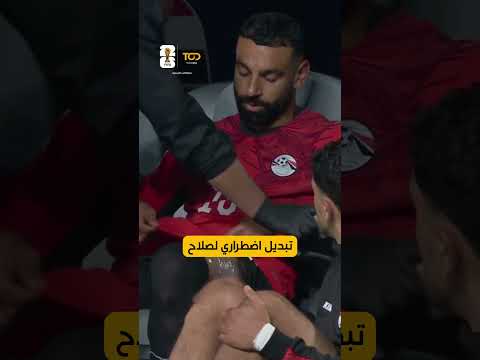
Intense moments on the pitch, highlighting the challenges faced by players in high-stakes football.
Frequently Asked Questions (FAQ) about Football Dynamics
Q1: Why are forced substitutions significant in football?
Forced substitutions are significant because they are often unexpected, disrupting a team's pre-planned tactics and potentially removing a key player vital to the team's strategy. They test a team's depth, tactical flexibility, and mental resilience, often becoming turning points in crucial matches in leagues like the Premier League, LaLiga, Champions League, or international football competitions like the FIFA World Cup.
Q2: How does a key player's absence impact a team's strategy?
The absence of a key player like Mohamed Salah can severely impact a team's strategy in several ways. It may reduce offensive threat, disrupt established attacking patterns, weaken defensive pressing schemes, and necessitate a change in formation or player roles. Coaches must quickly adapt, often bringing on a substitute who may offer different attributes, requiring tactical adjustments to maintain balance and competitiveness. This is a common focus of football analysis in football news.
Q3: What are common reasons for in-game substitutions in football?
In-game substitutions typically occur for three main reasons:
- Injury: A player is unable to continue due to a physical ailment, requiring a forced substitution.
- Tactical Change: The coach wants to alter the team's formation, introduce fresh legs, or counter an opponent's strategy.
- Performance: A player is underperforming, and the coach believes a change will improve the team's overall output.
Q4: How do teams prepare for the potential absence of star players?
Elite football teams prepare for the absence of star players through meticulous squad planning, including acquiring versatile players and fostering strong academy systems. They also implement tactical training that allows players to perform in multiple positions and roles, ensuring that the team structure can be maintained even with key personnel changes. Regular rotations, particularly in demanding seasons with Premier League, Champions League, and FIFA World Cup commitments, also help keep reserves match-fit and ready. This proactive approach is a cornerstone of top-tier football management.
Q5: What role does squad depth play in managing player absences?
Squad depth is critical for managing player absences. A deep squad ensures that there are capable replacements for every position, reducing the impact of injuries, suspensions, or fatigue. This allows coaches to maintain competitive performance across multiple competitions, such as domestic leagues (Premier League, LaLiga, Serie A, Bundesliga, Ligue 1) and international tournaments (Champions League, FIFA World Cup). Teams with superior depth are often more resilient and better equipped to achieve long-term success, a point frequently highlighted in football analysis and football magazines.
About FIFA WORLD CUP NOOR
FIFA WORLD CUP NOOR is your premier independent football magazine, dedicated to bringing you the most insightful football news, in-depth football analysis, and captivating football highlights from across the globe. We pride ourselves on delivering comprehensive coverage with a focus on quality journalism and a passion for the beautiful game.
Our expert team provides unparalleled coverage of the biggest events and leagues in international football, including:
- • FIFA World Cup
- • World Cup 2026
- • Champions League
- • Premier League
- • LaLiga
- • Serie A
- • Bundesliga
- • Ligue 1
- • International Football
Stay tuned with FIFA WORLD CUP NOOR for all your football needs, from in-depth match analysis to breaking football news and stunning football highlights.


No comments:
Post a Comment