


Unpacking Iraq's World Cup Journey
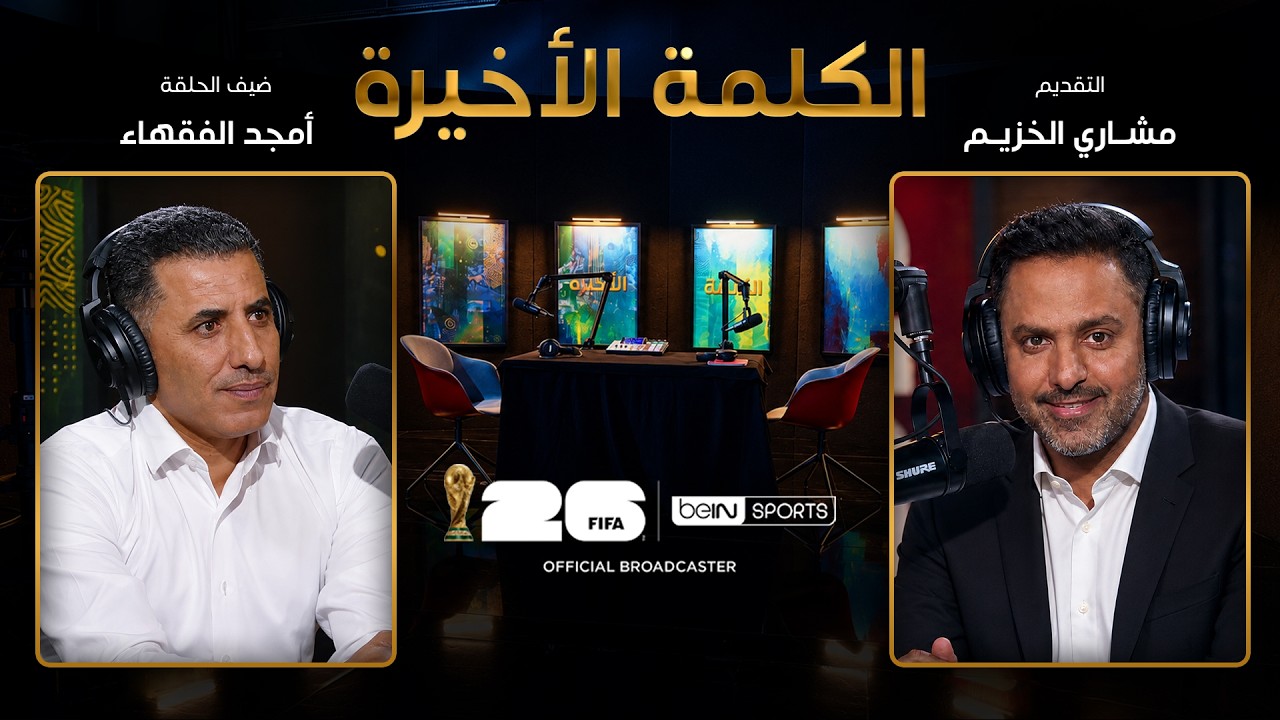
The dream of qualifying for the FIFA World Cup 2026 captivated millions across Iraq, a nation deeply passionate about football. As the qualification campaign concluded, the bitter taste of an early exit left fans and pundits searching for answers. In a compelling new episode from the esteemed beIN SPORTS studio, legendary figure Jalil Al-Aboudi offers his unique perspective, reflecting on the challenges of the modern game while drawing poignant parallels to Iraq's historic 1986 FIFA World Cup appearance. This article delves into the insights from that exclusive football analysis, exploring the intricate factors that shaped Iraq's fate in the fiercely competitive international arena.
Al-Aboudi, a veteran of Iraq's only FIFA World Cup expedition, provides an invaluable historical lens through which to examine the contemporary landscape of international football. His discussion goes beyond mere match highlights, venturing into the strategic, psychological, and systemic reasons that often dictate a nation's success or struggles on the Road to the World Cup. For a nation like Iraq, where football is more than just a game—it's a symbol of hope and unity—understanding these dynamics is crucial for future aspirations. This analysis, enriched by expert opinions, seeks to offer a comprehensive understanding of Iraq's recent campaign and what it means for the path forward.
The beIN SPORTS discussion serves as a vital platform for deep football analysis, bringing to light the nuanced elements that influence results at the highest level. From tactical decisions to player development, and the overarching competition context, every aspect is meticulously examined. As we navigate the complexities of Iraq's FIFA World Cup 2026 journey, we aim to provide our readers with an informed, engaging narrative that resonates with the passion and dedication synonymous with global football.
The Campaign's Unfolding Story: A Journey of High Hopes and Hard Realities
While no single match defines a FIFA World Cup qualification campaign, Iraq's path to the 2026 tournament was a mosaic of pivotal encounters, each carrying immense weight and national expectation. The journey through the qualifiers for the FIFA World Cup is always a grueling test of endurance, skill, and nerve, and for Iraq, it was no different. Their matches were not merely contests for three points; they were national events, scrutinized by millions, each pass and tackle imbued with the hopes of a proud footballing nation.
The initial phases of the qualification offered glimpses of potential, fueled by a blend of experienced players and emerging talents. Early performances often set the tone, building momentum and confidence, or conversely, exposing vulnerabilities that opponents would later exploit. The pressure to perform on the international football stage, especially in qualifiers for the ultimate prize, the FIFA World Cup, is immense. Every decision, from team selection to in-game tactical adjustments, becomes magnified, and its impact felt across the entire campaign.
Key fixtures against regional rivals invariably became do-or-die battles. These are the games where narratives are forged, heroes are made, and qualification hopes often hinge on fine margins. The atmosphere in such matches, whether home or away, is unparalleled, with fan passion reaching fever pitch. For Iraq, navigating these high-stakes games required not only technical prowess but also unwavering mental fortitude. The beIN SPORTS analysis emphasized how the outcomes of these critical clashes often reflected deeper issues within the team's preparation and execution.
Ultimately, the campaign culminated in a scenario where Iraq found itself on the outside looking in, unable to secure one of the coveted spots for the FIFA World Cup 2026. This outcome, while deeply disappointing for supporters, necessitated a thorough review. The beIN SPORTS discussion, featuring expert opinions, served precisely this purpose: to dissect the moments, decisions, and broader context that led to this conclusion. It’s an essential exercise for any national team aspiring for future success on the global stage, understanding not just *what* happened, but *why* it happened, providing crucial lessons for the next cycle of international football competitions.
Navigating the AFC Gauntlet: The Road to FIFA World Cup 2026
The qualification path for the FIFA World Cup 2026 presented a unique set of challenges, particularly within the Asian Football Confederation (AFC). With the expansion of the World Cup to 48 teams, the number of direct qualification slots for AFC nations increased significantly, offering what many perceived as an unprecedented opportunity for teams like Iraq. However, this expansion also meant that the competition remained intensely fierce, with numerous nations vying for their place among the elite of international football.
The AFC qualifiers are a marathon, not a sprint, comprising multiple rounds over several years. Teams must demonstrate consistency, adaptability, and resilience through varied conditions, playing against a diverse range of opponents with differing styles and strengths. From formidable football powerhouses like Japan, South Korea, and Saudi Arabia to rapidly improving nations across West and Southeast Asia, every match is a test. The tactical sophistication and physical demands have escalated significantly, requiring national teams to be meticulously prepared in every aspect of their game.
For Iraq, a nation with a rich footballing heritage and a fervent fan base, the historical context weighs heavily. Their sole FIFA World Cup appearance in 1986 remains a cherished memory, a benchmark against which all subsequent campaigns are measured. This historical aspiration creates a unique pressure, a desire to relive past glories and establish a new legacy for the current generation. The beIN SPORTS analysis underscored how this burden of expectation can both inspire and hinder a team's performance, especially in crucial moments of a qualification tournament.
Factors such as travel logistics, varying climate conditions, and the ever-present challenge of maintaining peak physical and mental form over an extended period contribute to the complexity of the AFC qualifiers. Squad depth becomes paramount, as injuries, suspensions, and fatigue can decimate even the best-laid plans. The ability of coaching staff to rotate players effectively, integrate new talent, and adapt tactics to specific opponents often separates the successful qualifiers from those who fall short. The expert opinions from beIN SPORTS highlighted that while the increased slots offered hope, the underlying competitive landscape ensures that only the most prepared and resilient teams earn their ticket to the FIFA World Cup.
Understanding this competition context is vital for dissecting Iraq's performance. It’s not just about individual errors or moments of brilliance, but about how a team navigates the broader strategic environment of international football, particularly the demands of a FIFA World Cup qualification cycle. This comprehensive view, as presented by the beIN SPORTS analysis, offers crucial insights for football news enthusiasts and national federations alike.
The Tactical Chessboard: Unraveling Iraq's Strategic Choices
In the ruthless landscape of FIFA World Cup qualifiers, tactical acumen is often the bedrock of success. The beIN SPORTS studio discussion dedicated significant time to the tactical elements that influenced Iraq's campaign, focusing on the team's overarching strategic approach and its execution on the pitch. Modern football demands not only a clear identity but also the flexibility to adapt formations, pressing schemes, and attacking philosophies against diverse opponents.
Iraq's tactical setup throughout the FIFA World Cup 2026 qualifiers saw various approaches, from periods of defensive solidity aimed at frustrating stronger opponents to more expansive, possession-based play against teams they were expected to dominate. The analysis highlighted the perennial challenge for many national teams: striking the right balance between robust defense and incisive attack. Was the defensive structure consistently organized enough to withstand pressure, particularly in away fixtures? And when opportunities arose in attack, was there sufficient creativity and clinical finishing to convert chances?
A critical area of focus in the expert opinions was the midfield battle. In international football, control of the central park often dictates the tempo and flow of a game. Questions were raised regarding Iraq's ability to consistently dominate this area, to win second balls, and to transition effectively from defense to attack. Were the central midfielders sufficiently supported, both defensively and offensively? The ability to dictate play and deny opponents space in critical zones is fundamental for any team aspiring to reach the FIFA World Cup.
Set-pieces also received attention, both offensively and defensively. In tight matches, a well-executed corner or free-kick can be the difference between a draw and a win, or a win and a loss. Conversely, vulnerability from set-pieces can undermine an otherwise strong performance. The beIN SPORTS analysis examined whether Iraq maximized their opportunities from these situations and if their defensive organization in these crucial moments was up to the standard required for World Cup qualification.
Ultimately, tactical analysis in football news seeks to understand the 'how' and 'why' behind results. The insights provided by beIN SPORTS experts, leveraging their vast experience in football analysis, suggested that a combination of factors – perhaps a lack of consistent tactical identity, occasional lapses in concentration, or an inability to adapt quickly enough to in-game situations – contributed to Iraq's inability to secure a FIFA World Cup 2026 berth. For future campaigns, a more refined and consistent tactical philosophy, coupled with adaptable strategies, will be paramount for Iraq to achieve their World Cup dreams.
Generational Talent and Unsung Heroes: The Players' Perspective
Every successful FIFA World Cup campaign is built on the shoulders of its players—a blend of seasoned veterans, rising stars, and unsung heroes who consistently deliver under pressure. While Iraq's FIFA World Cup 2026 qualification journey fell short, the beIN SPORTS analysis underscored the dedication and effort of the squad. The discussion extended beyond team tactics, focusing on the individual contributions and the collective spirit required to compete at the highest echelons of international football.
The Iraqi squad featured players who ply their trade in various leagues, both domestically and internationally. This diversity can be a strength, bringing different experiences and tactical understandings to the national team setup. However, it can also present challenges in terms of cohesion and familiarity, issues that national team coaches constantly strive to overcome. The beIN SPORTS experts highlighted the importance of a core group of players who not only possess technical skill but also exhibit strong leadership qualities on and off the pitch, especially during the arduous FIFA World Cup qualifiers.
Jalil Al-Aboudi's reflections, rooted in his 1986 FIFA World Cup experience, often touched upon the psychological demands placed on players. The pressure of representing a nation, of carrying the hopes of millions, is immense. It requires players to perform not just technically, but also with emotional resilience and mental toughness. The expert opinion suggested that while individual moments of brilliance were evident throughout the campaign, sustained collective excellence in critical phases might have been elusive.
The development of young talent is also a perpetual theme in international football. For a nation like Iraq, ensuring a steady pipeline of promising players from youth academies to the senior squad is vital for long-term success. The beIN SPORTS analysis posed questions about the integration of these young players into the high-pressure environment of FIFA World Cup qualifiers, and whether they were given adequate opportunities to grow and contribute alongside more experienced teammates. The balance between youthful exuberance and veteran wisdom is often key to a harmonious and successful team.
Ultimately, the spotlight on players in football analysis is about understanding their roles within the broader tactical framework and the human element of the game. For Iraq, the challenge moving forward will be to nurture its talents, foster a winning mentality, and ensure that every player is equipped, both physically and mentally, to face the rigors of future FIFA World Cup campaigns. The expert opinions from beIN SPORTS serve as a valuable guide for assessing these aspects and planning for sustained success in international football.
Defining Junctures: The Moments that Shaped Iraq's FIFA World Cup 2026 Bid
In the narrative of any FIFA World Cup qualification, certain moments inevitably stand out as pivotal, shaping the destiny of a nation’s campaign. For Iraq's bid for the FIFA World Cup 2026, the beIN SPORTS analysis delved into the types of critical junctures that often prove decisive, highlighting how fine margins can dictate success or failure in international football. These weren't necessarily dramatic last-minute goals, but rather a collection of instances that, in retrospect, carried profound significance.
One recurring theme in football analysis is the impact of missed opportunities. In fiercely contested qualifiers, chances are often at a premium. A crucial penalty saved, an open goal spurned, or a perfectly placed cross left unconverted can erode confidence and shift momentum. The expert opinions suggested that Iraq might have had such moments, instances where failing to capitalize on an advantage proved costly, denying them vital points that could have altered their standing in the qualification group.
Defensive lapses, particularly in high-pressure situations, were also examined. A momentary lapse in concentration, a communication breakdown at the back, or a positional error can lead to conceding a goal against the run of play. These errors, amplified on the grand stage of FIFA World Cup qualifiers, can be incredibly difficult to recover from, especially when facing tactically astute opponents. The beIN SPORTS studio's discussion highlighted how such defensive vulnerabilities, even if infrequent, can have disproportionate effects on a campaign's trajectory.
Beyond the on-field action, external factors sometimes play a role. Controversial referee decisions, injuries to key players at critical times, or even the psychological toll of extensive travel and congested fixture lists can all contribute to a team's performance. While these are part of the game, their impact can be magnified in the high-stakes environment of FIFA World Cup qualification. The analysis reflected on how national teams must not only prepare for their opponents but also manage these unpredictable elements.
The 'Final Word' from beIN SPORTS was clear: success in FIFA World Cup qualifiers is a culmination of consistent execution, mental resilience, and the ability to seize key moments while minimizing errors. For Iraq, the collective weight of these moments ultimately determined their fate. Understanding these defining junctures provides invaluable lessons, not just for the national team, but for anyone seeking to understand the intricate dance of international football, from the Premier League to the Champions League and, ultimately, the FIFA World Cup itself.
Jalil Al-Aboudi's Perspective: From Mexico '86 to the Road to 2026
The heart of the beIN SPORTS discussion, and indeed this entire article, lies in the profound insights offered by Jalil Al-Aboudi. As a member of the iconic Iraqi squad that graced the 1986 FIFA World Cup in Mexico, Al-Aboudi brings a unique historical perspective, blending the romance of past glory with the stark realities of modern international football. His "Final Word" on Iraq's exit from the FIFA World Cup 2026 qualifiers is not merely commentary; it's a bridge between generations, a critical examination informed by personal experience and deep understanding.
Al-Aboudi emphasized that while the passion for football in Iraq remains undimmed since 1986, the landscape of the game has transformed dramatically. He alluded to the increased professionalism, the depth of tactical analysis, and the global interconnectedness that makes FIFA World Cup qualification a far more intricate challenge today. "In 1986, our qualification felt like a miracle of grit and determination," he might have reflected, "but today, it requires a comprehensive, sustained effort across all facets of the game, from youth development to elite coaching and sports science." This sentiment underscores the evolution of international football, demanding continuous adaptation from all aspiring nations.
"The journey to the FIFA World Cup is a reflection of a nation's entire footballing infrastructure. It's not just about what happens on the pitch on match day, but the consistency of strategy, the depth of talent nurtured over years, and the resilience cultivated through every challenge. The lessons from 1986 are not just about pride, but about understanding what it takes to defy expectations. For 2026, the challenges were different, but the fundamental requirements for success remain timeless."
— Jalil Al-Aboudi, beIN SPORTS Analyst
The expert opinions from the beIN SPORTS panel echoed Al-Aboudi's sentiments, pinpointing several reasons for Iraq's inability to secure a FIFA World Cup 2026 spot. These included, but were not limited to, the consistency of squad selection, the ability to maintain peak physical condition throughout a demanding campaign, and the critical importance of converting chances in high-stakes matches. The discussions highlighted that while Iraq demonstrated flashes of brilliance, achieving the sustained performance required against top-tier AFC opponents proved to be the ultimate hurdle.
Furthermore, Al-Aboudi likely touched upon the psychological dimension. The immense pressure to qualify for the FIFA World Cup, coupled with the emotional rollercoaster of a qualification campaign, can affect player performance. The ability to remain composed, to execute tactics under duress, and to recover from setbacks are traits that define successful international teams. The beIN SPORTS analysis emphasized that these intangible qualities are as crucial as technical skill or tactical setup.
His insights serve as a powerful reminder that while the past provides valuable lessons, the future demands innovation and meticulous preparation. For football news and analysis, Al-Aboudi’s contribution is a masterclass in dissecting both the triumphs and the tribulations of a national team’s pursuit of the ultimate football dream – a place at the FIFA World Cup.
The Path Forward: Rebuilding and Renewing the FIFA World Cup Dream
While the disappointment of missing out on the FIFA World Cup 2026 is fresh, for a footballing nation like Iraq, the focus must inevitably shift to the future. The beIN SPORTS analysis concluded with a forward-looking perspective, emphasizing the opportunities for growth and development that arise even from setbacks. The Road to the World Cup is cyclical, and every campaign offers invaluable lessons for the next.
A primary area for future development lies in youth football. Investing in grassroots programs, enhancing coaching education, and establishing a clear pathway for young talent to progress through the ranks are fundamental steps. The FIFA World Cup 2026 cycle has shown the importance of squad depth and the ability to seamlessly integrate new generations of players. For Iraq, identifying and nurturing the next wave of football talent, ensuring they receive the best possible training and competitive exposure, will be crucial for sustained success in international football.
Beyond player development, the discussion also touched upon the need for a long-term strategic vision for Iraqi football. This involves stability in coaching, a consistent playing philosophy, and robust administrative support. Frequent changes in management or direction can hinder progress, making it difficult to build cohesion and implement effective long-term plans. The expert opinions highlighted that successful national teams often benefit from continuity and a clear strategic roadmap that extends beyond a single qualification cycle.
Participation in regional tournaments and friendly matches against diverse international opponents will also be vital. These opportunities provide crucial competitive experience, allowing the team to test new tactics, integrate emerging players, and build chemistry without the immediate pressure of FIFA World Cup qualifiers. Exposure to different styles of play, similar to what teams face in the Premier League, LaLiga, Serie A, Bundesliga, or Champions League, is essential for growth.
The passion of Iraqi fans is an undeniable asset. Harnessing this energy and channeling it into constructive support for the national team's rebuilding efforts will be key. The journey to the FIFA World Cup 2030, and beyond, starts now. By meticulously analyzing the past, implementing strategic changes, and fostering a culture of continuous improvement, Iraq can renew its aspirations and embark on a new chapter in its rich footballing history, with the ultimate goal of once again gracing the global stage of the FIFA World Cup.
Watch the Full Discussion
▶ Watch Full Video on YouTube
Frequently Asked Questions About Iraq's FIFA World Cup Journey
Q1: What were the main reasons for Iraq's exit from the FIFA World Cup 2026 qualifiers?
According to the expert football analysis from beIN SPORTS, including insights from Jalil Al-Aboudi, key factors included inconsistencies in tactical execution, challenges in maintaining peak performance throughout a demanding international football campaign, and an inability to convert crucial scoring opportunities in pivotal matches. The competitive nature of AFC qualification and occasional defensive lapses also played significant roles.
Q2: Who is Jalil Al-Aboudi and why is his opinion significant?
Jalil Al-Aboudi is a revered figure in Iraqi football, having been part of the national team that qualified for the 1986 FIFA World Cup – Iraq's sole appearance at the tournament. His insights offer a unique comparative perspective between the challenges of past qualification campaigns and the contemporary landscape of the FIFA World Cup 2026 qualifiers, making his football analysis particularly valuable.
Q3: How has the FIFA World Cup qualification process changed since 1986?
The FIFA World Cup qualification process has become significantly more professional and expansive. With the tournament growing to 48 teams for 2026, the number of qualification slots has increased, but so has the depth of competition and tactical sophistication across all confederations, including the AFC. Modern international football demands greater consistency, advanced sports science, and more complex tactical planning than in 1986.
Q4: What are the next steps for Iraqi football after this qualification cycle?
Looking ahead, the focus for Iraqi football will likely be on long-term development strategies. This includes strengthening youth football academies, ensuring stability in coaching and management, fostering a consistent playing philosophy, and providing international exposure through various competitions. The aim is to build a robust foundation for future FIFA World Cup campaigns and other international football tournaments.
Q5: Where can fans find more exclusive football analysis and FIFA World Cup highlights?
Fans seeking exclusive football analysis, expert opinions, and FIFA World Cup highlights from major tournaments, including detailed coverage of qualification campaigns, can often find comprehensive content from sports broadcasting giants like beIN SPORTS, along with dedicated football magazines and news platforms such as FIFA WORLD CUP NOOR, which covers international football extensively.
About FIFA WORLD CUP NOOR
FIFA WORLD CUP NOOR is your premier independent football magazine, dedicated to delivering unparalleled football news, in-depth football analysis, and captivating stories from across the globe. We pride ourselves on offering comprehensive coverage that goes beyond the scores, diving deep into the tactical nuances, player narratives, and cultural impact of the beautiful game.
Our expert team covers every corner of the football world, bringing you the latest from the most prestigious competitions including the FIFA World Cup, World Cup 2026 qualifiers, the thrilling Champions League, the fiercely competitive Premier League, tactical battles of LaLiga, the passion of Serie A, the efficiency of the Bundesliga, and the flair of Ligue 1. We are your go-to source for everything International Football, providing expert opinions, match overviews, and football highlights that truly matter.
Labels:
beIN SPORTS football soccer sports highlights fifa world cup World Cup 2026 Football Analysis International Football
Hashtags:
#beINSPORTS #football #soccer #highlights #sports #Fifaworldcup #WorldCup2026



No comments:
Post a Comment