

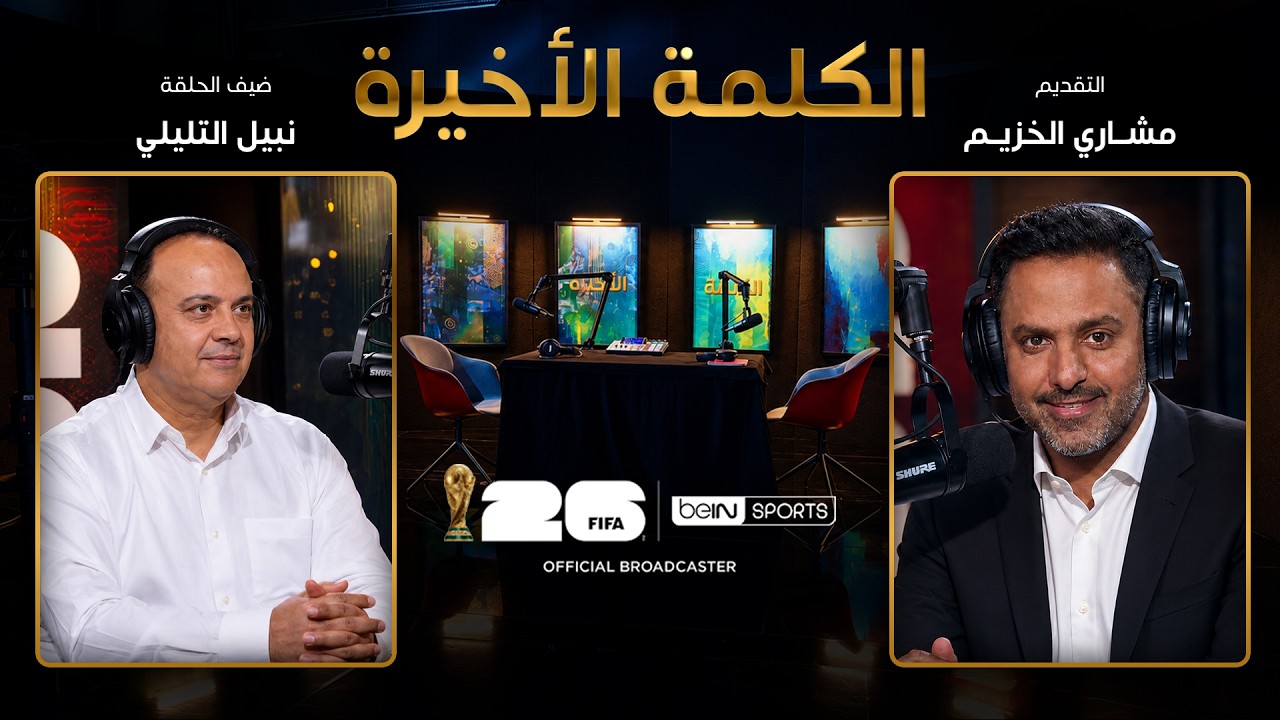
Introduction: A Critical Juncture for Tunisian Football
The world of international football is a relentless arena, where passion and performance dictate the narrative. For nations like Tunisia, steeped in rich footballing history and aspirations for global recognition, periods of underperformance can quickly spiral into profound crises. Recent developments within the Tunisian national football setup have certainly captured the attention of analysts and fans alike, prompting a vital discussion about the team's trajectory and the pressing need for strategic intervention. This article delves into the insights provided by seasoned expert Nabil El-Tlili, offering an in-depth perspective on the current challenges, the implications of coaching staff changes, and the potential pathways to revitalization.
Tunisia, a perennial force in African football and a participant in multiple FIFA World Cup tournaments, has always set a high standard for itself. However, the expectations of an ardent fanbase and the demands of competitive international football mean that sustained success is paramount. When results falter, particularly during crucial qualification campaigns for major events like the FIFA World Cup 2026 or the African Cup of Nations, the pressure intensifies. This examination will explore the multifaceted nature of such a crisis, moving beyond mere match results to uncover the underlying issues affecting team cohesion, tactical execution, and overall morale. The insights gleaned from expert opinions, such as those from the beIN SPORTS studio, are instrumental in understanding the nuances of such complex situations in international football.
Match Overview: The Echoes of Recent Performances
While no specific match results are highlighted, the discussion around Tunisia's current football crisis inherently points to a series of performances that have fallen short of expectations. In international football, consistency is key, and any deviation can trigger widespread concern. A crisis often manifests after a string of disappointing outcomes in critical fixtures, whether in World Cup Qualifiers, continental championships, or high-stakes friendlies. These matches, irrespective of their individual details, collectively paint a picture of a team struggling to find its rhythm, identity, or winning formula.
The weight of expectation on a national team like Tunisia is immense. Every football match becomes a referendum on the team's progress and the coaching staff's strategies. When tactical plans don't translate into desired results on the pitch, or when individual errors become a recurring theme, it naturally raises questions about preparation, player selection, and leadership. The cumulative effect of such match outcomes can erode confidence, both within the squad and among the supporters, creating a challenging environment that demands immediate and decisive action. This is the context in which a phrase like "Tunisia's Crisis" takes root, signifying a period where the foundational elements of success appear to be unstable.
It's not merely about losing; it's often about *how* the team loses, or its inability to secure crucial wins against direct rivals. A lack of attacking impetus, defensive vulnerabilities, or an inability to control the midfield in key moments can be far more telling than a narrow defeat. These patterns observed across several matches can signal deeper structural or psychological issues within the squad, necessitating a thorough football analysis. Such analytical insights are often what programs like "The Final Word" aim to provide, helping fans and stakeholders understand the bigger picture behind the immediate match outcomes and the broader state of international football.
Competition Context: Stakes on the International Stage
Tunisia's current predicament must be viewed within the broader landscape of competitive international football. As a prominent nation in CAF, the Eagles of Carthage constantly navigate the demanding terrains of African Cup of Nations qualification and the highly coveted FIFA World Cup qualification campaigns. The pressure to perform well in these tournaments is immense, not only for national pride but also for the development and global standing of Tunisian football. Failure to meet expectations in these crucial competitions can have long-lasting repercussions, affecting everything from player morale to financial stability and future youth development programs.
The path to the FIFA World Cup 2026 is becoming increasingly challenging, with African qualifiers being more competitive than ever. Each match in this journey carries significant weight, and any slip-up can jeopardize a nation's chances of reaching the pinnacle of global football. Similarly, the African Cup of Nations remains a fiercely contested tournament where every country aims for continental glory. For a team traditionally expected to reach the latter stages, an early exit or a struggle during the group stages can trigger widespread calls for change. This competitive environment exacerbates any internal crisis, pushing the coaching staff and federation to seek rapid solutions.
Furthermore, the performance of national teams often influences the perception of their domestic leagues and individual players on the international transfer market. A strong national team showing can elevate the profile of local talent, potentially leading to moves to top European leagues like the Premier League, LaLiga, Serie A, Bundesliga, or Ligue 1. Conversely, a period of decline can hinder such opportunities, impacting the overall growth of football within the country. Therefore, resolving a national team crisis is not just about short-term results but about safeguarding the future of football development in Tunisia, a critical aspect of international football management.
Tactical Analysis: Unpacking the On-Pitch Struggles
A footballing crisis rarely stems from a single factor; more often, it is a confluence of tactical shortcomings, individual errors, and a general lack of coherence. From a tactical standpoint, Tunisia's recent struggles, as analyzed by experts, often highlight several key areas. One common issue can be a disconnect between defence and attack, leading to an imbalance that exposes the team. Perhaps the midfield struggles to assert dominance, failing to win critical duels or control possession effectively, thereby leaving the defensive line vulnerable and the forwards isolated.
Another prevalent problem might be a predictable attacking system. If the team consistently relies on a single mode of attack that is easily neutralized by opponents, goals become scarce. This could involve a lack of creativity in the final third, an over-reliance on individual brilliance rather than cohesive team play, or an inability to adapt tactics during a match. Defensive frailties are equally critical; lapses in concentration, poor marking in set-piece situations, or an unorganized backline can lead to conceding preventable goals, which saps team morale and puts immense pressure on the attacking players.
The role of the coaching staff is paramount in addressing these tactical deficiencies. A change in leadership often signals an intent to implement a fresh tactical philosophy, focusing on rectifying these structural issues. A new coach might prioritize a more robust defensive setup, introduce new attacking patterns, or emphasize fluid transitions. The challenge lies in quickly integrating these changes while navigating ongoing competitive fixtures. Expert football analysis, like that offered by Nabil El-Tlili, is crucial in identifying these specific tactical weak points and proposing viable solutions to rejuvenate the team's performance and reignite their FIFA World Cup aspirations.
Player Spotlight: The Human Element in a Crisis
While tactics and results dominate headlines, the human element – the players themselves – bears the brunt of a national football crisis. For players representing their country, the weight of a nation's hopes can be immense. When the team struggles, individual performances often suffer, creating a vicious cycle of dwindling confidence and increased scrutiny. Players who might excel for their club teams in the Champions League, Premier League, or other top European divisions, can sometimes find it challenging to replicate that form on the international stage when the national team is in disarray.
A coaching change, while often disruptive, can also offer a fresh start for players. It might mean new opportunities for those previously overlooked, or a chance for established players to rediscover their best form under a new system. Leadership within the squad becomes critically important during such times. Experienced players are often looked upon to steady the ship, communicate effectively with the new coaching staff, and inspire their teammates. However, the psychological toll of a crisis can be significant, potentially leading to burnout or a loss of passion if not managed effectively.
The challenges extend beyond the pitch. Players must contend with media pressure, fan discontent, and the constant awareness that their nation's footballing future rests on their shoulders. A new coach often brings a renewed focus on player welfare, team building, and fostering a positive, resilient environment. Understanding the impact of a crisis on the individual players is crucial for any successful recovery plan. The quality of players in Tunisia is undeniable, many featuring in top football leagues, making their collective underperformance a matter of profound concern that goes beyond raw talent and delves into team dynamics and mental fortitude, a vital part of any football highlights reel.
Key Moments: The Turning Points in a Tumultuous Period
Every footballing crisis has its defining moments, specific events or a series of performances that act as catalysts for change. While we don't have explicit details of such instances, for Tunisia, these key moments would likely involve critical matches where the team's vulnerabilities were laid bare, or pivotal decisions made by the football federation. It could be a decisive loss in a FIFA World Cup qualifier, an unexpected exit from an African Cup of Nations group stage, or a particularly uninspired performance against a lower-ranked opponent.
Often, it's not just the result but the manner of defeat that precipitates a crisis. Conceding late goals repeatedly, failing to convert dominant possession into chances, or a noticeable drop in intensity and commitment can all serve as turning points. These instances accumulate, leading to widespread dissatisfaction among supporters and a sense of inevitability regarding a change in leadership. Such moments typically trigger intense media scrutiny and public debate, putting immense pressure on the authorities to act.
The decision to implement coaching staff changes itself is a key moment. It signifies an acknowledgement of systemic issues and a commitment to a new direction. This transition period, while fraught with uncertainty, also presents an opportunity for a reset. The unveiling of a new head coach, the composition of their backroom staff, and their initial press conference outlining their vision are all integral parts of this turning point. These moments are critical for any football magazine tracking the pulse of international football, offering fresh hope and a renewed sense of purpose for a nation keen to return to winning ways and chase their FIFA World Cup dreams.
Expert Opinion: Nabil El-Tlili's Insightful Analysis
"The essence of a footballing crisis is rarely found on the surface. It’s a complex interplay of tactical missteps, waning player confidence, and sometimes, administrative instability. For Tunisia, a nation with undeniable talent and a proud football heritage, the current situation demands a holistic approach. A mere change of face in the dugout isn't enough; it requires a deep dive into the philosophy, the player development pathways, and the long-term vision. The coaching staff changes, while necessary, must be accompanied by a clear strategy for regeneration."
— Nabil El-Tlili, beIN SPORTS Football Analyst
Nabil El-Tlili, a respected voice from the beIN SPORTS studio, brings an invaluable depth of understanding to the discussion surrounding Tunisia's footballing challenges. His analysis, honed over years of observing international football and African competitions, cuts through the noise to identify the core issues. El-Tlili would likely emphasize that a "crisis" is not merely about a few bad results, but often indicative of deeper structural or systemic problems that have been allowed to fester.
His expert opinion would likely focus on several critical areas. Firstly, the psychological aspect: how a decline in confidence can impact even the most talented players. Secondly, the strategic dimension: whether the previous coaching regime had a clear, sustainable tactical identity, or if the team lacked adaptability. Thirdly, the administrative context: how well the football federation supports the national team, from training facilities to youth development and scouting networks. El-Tlili's insights often highlight that while coaching staff changes are a visible solution, true transformation requires addressing these multifaceted issues.
Moreover, El-Tlili would probably discuss the unique pressures faced by African national teams, including travel, cultural dynamics, and the constant balancing act of integrating players from diverse leagues (Premier League, LaLiga, Serie A, Bundesliga, Ligue 1) into a cohesive unit. His "Final Word" on the subject would not just dissect the problems but also offer potential pathways for recovery, focusing on stability, a clear football philosophy, and investing in the future of Tunisian football. Such comprehensive football analysis is vital for any team aiming for success in the FIFA World Cup or the Champions League.
Looking Ahead: The Path to Revival
The decision to enact coaching staff changes marks the beginning of a new chapter for Tunisian football, but the path to revival is rarely straightforward. Looking ahead, several key elements will be crucial for the Eagles of Carthage to overcome their current crisis and reclaim their status as a dominant force in African and international football. The immediate priority for any new coaching team will be to instill a clear tactical identity and restore confidence within the squad. This involves not just implementing new training methodologies but also fostering a positive and resilient team spirit.
Beyond immediate results, a long-term vision for player development is essential. Investing in youth academies, scouting new talent, and creating a clear pathway from junior levels to the senior national team will ensure a sustainable supply of quality players. This approach is vital for consistent success in future FIFA World Cup and African Cup of Nations campaigns. The new coaching staff will also need to effectively integrate players plying their trade in top European leagues with local talent, striking the right balance to form a cohesive unit that understands and executes the tactical plan.
The support of the Tunisian Football Federation will be paramount. This includes providing the necessary resources, ensuring stability, and allowing the new coaching team the time and space to implement their strategy without undue pressure. Fan engagement and regaining public trust are also critical components of this revival. By delivering strong performances and demonstrating a clear commitment to excellence, the national team can once again galvanize its passionate supporters. The journey back to the top will be challenging, but with strategic planning, unwavering commitment, and insightful football analysis, Tunisia can undoubtedly aspire to achieve its goals, including a strong showing at the FIFA World Cup 2026.
Watch the Full Analysis: The Final Word
Further Insights into the Crisis

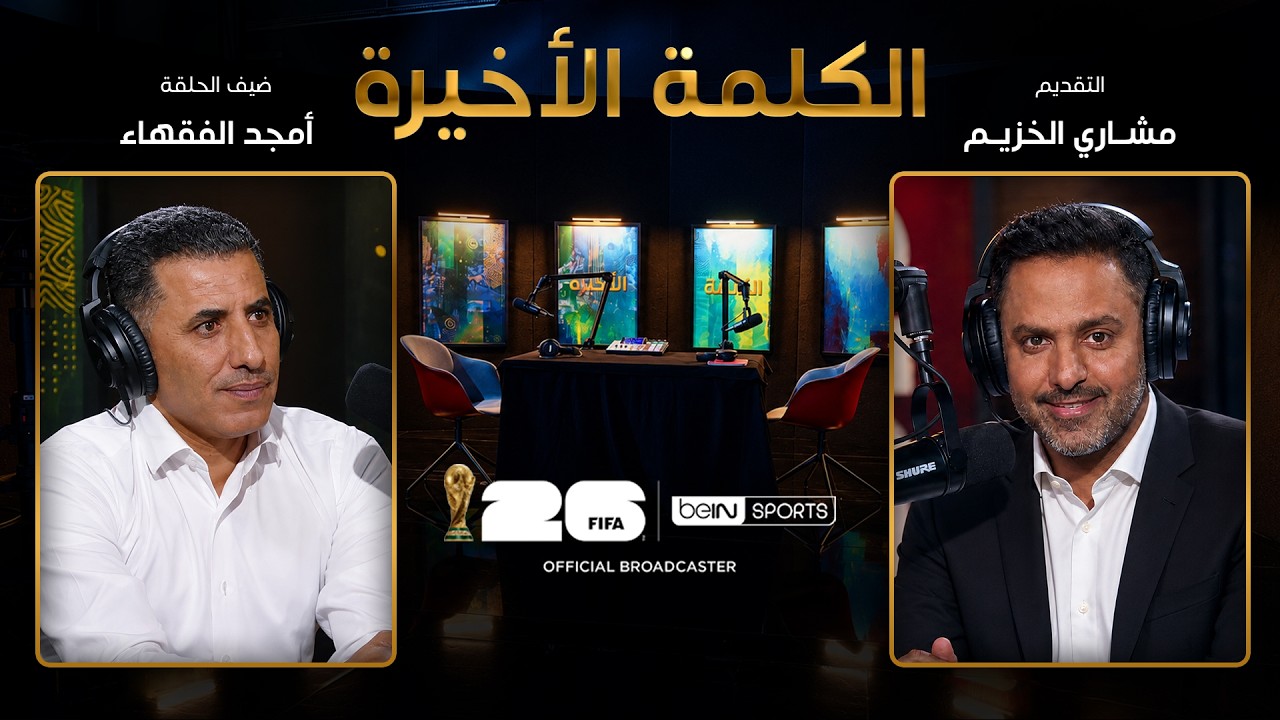
The image above captures a moment reflecting the intensity of football analysis when discussing critical periods for national teams. It underscores the visual aspect of expert commentary, where every gesture and expression conveys the gravity of the situation. This visual context from the beIN SPORTS studio adds another layer to understanding the detailed football highlights and tactical discussions surrounding Tunisia's challenges. Such discussions are not just about facts and figures but about the nuanced interpretations provided by seasoned experts like Nabil El-Tlili, who can decode the complexities of team dynamics and performance. It illustrates the crucial role of media platforms in bringing in-depth football news and expert opinions to a global audience, whether it's about the FIFA World Cup, Champions League, or specific national team issues.
The analytical focus on teams in crisis extends beyond just current form. It often delves into the historical performance trends, the mental fortitude of key players, and the effectiveness of the support structures around the team. For a nation like Tunisia, which has consistently delivered moments of brilliance in international football, any period of sustained struggle warrants this level of detailed examination. The objective is always to understand the root causes and to identify viable solutions that will not only address immediate concerns but also build a more robust and resilient footballing future, capable of competing at the highest levels of global football.
Frequently Asked Questions (FAQ) about Tunisian Football
Q1: What defines Tunisia's current football crisis?
A1: Tunisia's current football crisis typically refers to a period of sustained underperformance by the national team, particularly in critical international competitions like FIFA World Cup qualifiers or the African Cup of Nations. It often encompasses tactical shortcomings, declining player confidence, inconsistent results, and widespread dissatisfaction among fans and pundits, leading to calls for significant changes within the coaching staff and football federation. This situation is usually identified through detailed football analysis.
Q2: Why are coaching staff changes common during such crises?
A2: Coaching staff changes are a common response to a football crisis because they offer a clear signal of intent for a new direction. A new coach often brings fresh tactical ideas, renewed motivation, and a different approach to player management and team dynamics. It is often seen as the most immediate way to shake up the squad, address perceived deficiencies, and inject new energy, hoping to reverse a negative trend and restart the pursuit of goals such as qualifying for the FIFA World Cup 2026.
Q3: Who is Nabil El-Tlili and what is his role in analyzing this situation?
A3: Nabil El-Tlili is an esteemed football analyst, often featured on beIN SPORTS, known for his expert opinions and in-depth understanding of international football, particularly African football. His role involves providing critical insights, tactical analysis, and informed commentary on the performance and challenges of national teams like Tunisia, helping audiences grasp the complexities behind the headlines and offering a "final word" on the state of play.
Q4: How do such crises impact a nation's FIFA World Cup aspirations?
A4: A football crisis can severely impact a nation's FIFA World Cup aspirations by jeopardizing qualification campaigns. Poor results lead to lost points, making the path to the finals much harder. Beyond the immediate match outcomes, a crisis can erode team morale, disrupt tactical continuity, and create an environment of instability, all of which are detrimental to performing consistently at the high level required for World Cup qualification and subsequent participation in the FIFA World Cup tournament itself.
Q5: What are the typical next steps after a coaching change in a national team crisis?
A5: After a coaching change, typical next steps involve a new coach assessing the squad, implementing their tactical philosophy, and often making changes to player selection. They prioritize restoring team morale and confidence, establishing clear communication channels, and focusing on immediate competitive fixtures to secure positive results. Long-term, they usually work on youth development integration and building a stable footballing infrastructure, with the ultimate goal of improving results in key tournaments like the African Cup of Nations and preparing for future FIFA World Cup cycles.
About FIFA WORLD CUP NOOR
FIFA WORLD CUP NOOR is your premier independent football magazine, dedicated to bringing comprehensive coverage and insightful analysis from across the global football landscape. We pride ourselves on delivering in-depth articles, exclusive features, and expert opinions on all aspects of the beautiful game.
Our coverage spans the most prestigious tournaments and leagues, including:
- FIFA World Cup: From qualification drama to the exhilarating finals, we cover every moment.
- World Cup 2026: Stay updated with the latest news, preparations, and analyses for the upcoming global spectacle.
- Champions League: Unrivaled coverage of Europe's elite club competition.
- Premier League: All the action, tactical breakdowns, and transfer news from England's top flight.
- LaLiga: Deep dives into Spanish football, showcasing its unique flair and star power.
- Serie A: Comprehensive reports on Italy's tactical battles and resurgent giants.
- Bundesliga: Exploring the German league's exciting talent and high-octane football.
- Ligue 1: Insights into French football, from emerging stars to established powerhouses.
- International Football: Covering national team challenges, triumphs, and the stories that shape global football.
Join FIFA WORLD CUP NOOR for your daily dose of premium football news, match analysis, football highlights, and thought-provoking features, all crafted to bring you closer to the heart of the game.
Labels: beIN SPORTS, football, soccer, sports, highlights, FIFA World Cup, FIFA World Cup 2026, Football News, Football Analysis, International Football, Football Magazine
Hashtags: #beINSPORTS #football #soccer #highlights #sports #FIFAWorldCup #WorldCup2026 #FootballNews #FootballAnalysis #InternationalFootball



No comments:
Post a Comment