

Introduction: Revisiting a Pivotal Moment in African Football History
The FIFA World Cup stage has always been a crucible where legends are forged and national dreams are realized. Among the myriad tales etched into its rich tapestry, Morocco's groundbreaking journey at the 1986 FIFA World Cup in Mexico stands out as a beacon of inspiration, particularly for African football. Their remarkable campaign not only captivated audiences worldwide but also shattered preconceived notions about African teams' capabilities on the grandest stage.
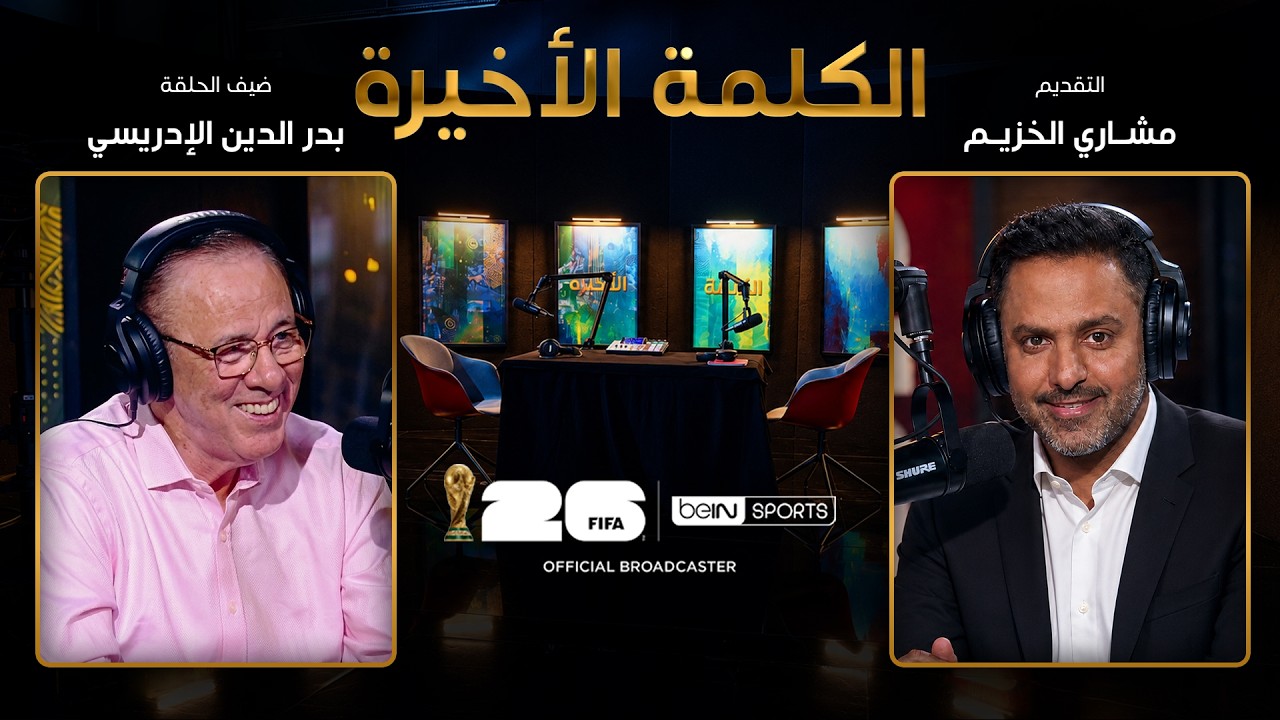
In a recent highly anticipated episode of "The Final Word," esteemed football analyst Badr Eddine El-Idrissi, bringing his wealth of knowledge from the beIN SPORTS studio, delved deep into his personal World Cup memories, with a significant focus on that unforgettable Moroccan squad. This article, inspired by that illuminating discussion, aims to provide a comprehensive analysis of Morocco's 1986 World Cup performance, its lasting legacy, and the expert perspectives that continue to enrich our understanding of these historic moments in international football.
For fans of the beautiful game, especially those tracking the progression towards FIFA World Cup 2026, understanding the historical milestones set by pioneering teams like Morocco offers invaluable context. It’s a narrative of courage, tactical discipline, and the sheer will to succeed against formidable odds, a story that resonates deeply within the global football community and remains a cornerstone of African football history.
Morocco's Triumph in the Group Stage: A Shockwave Across Mexico '86
Morocco arrived in Mexico for the 1986 FIFA World Cup largely underestimated, placed in Group F alongside footballing giants England, traditional European powerhouses Poland, and the ambitious Portugal. Few predicted that this North African team would not only survive but thrive in such a demanding group. Their campaign began with a solid performance, demonstrating an unexpected resilience and tactical maturity.
Their opening match saw them draw 0-0 against Poland, a result that hinted at their defensive prowess. This was followed by another impressive goalless draw against England, a team featuring world-class talents. These two results, against highly fancied European opponents, immediately signaled that Morocco was no pushover. The draws were not merely fortunate; they were the product of disciplined organization and unwavering focus, laying the groundwork for what was to come.
The defining moment of their group stage campaign arrived in their final match against Portugal. In an electrifying performance, Morocco secured a historic 3-1 victory. This emphatic win was not just a matter of three points; it was a powerful statement to the footballing world. It propelled them to the top of Group F, making them the first-ever African nation to win a FIFA World Cup group and, consequently, the first to qualify for the knockout stages. This achievement sent shockwaves through the tournament and instantly elevated Morocco to the status of a global footballing sensation. The quality of football highlights from that match continues to be revisited by analysts and fans alike.
Their incredible journey eventually led them to a Round of 16 clash against West Germany. While they ultimately exited the tournament at this stage, the fact that they faced such a formidable opponent in the knockout rounds, after topping their group, cemented their place in football folklore. It was a performance that fundamentally altered perceptions of African football on the world stage.
The Broader Landscape: Mexico '86 and the African Challenge
The 1986 FIFA World Cup in Mexico was a vibrant spectacle, remembered for its high-altitude drama, iconic moments, and the singular brilliance of players like Diego Maradona, who would lead Argentina to glory. Amidst such a star-studded tournament, the narrative of African football was still largely one of emerging potential rather than established power. African nations often struggled to make significant inroads beyond the group stage, frequently battling against more experienced and financially robust European and South American teams.
Against this backdrop, Morocco's achievement was truly monumental. They weren't just participating; they were competing, and more importantly, succeeding at the highest level of international football. Their performances shattered the glass ceiling for African teams, demonstrating that with astute tactical planning, collective resilience, and exceptional individual talent, they could challenge the established order. This wasn't merely about football highlights; it was about rewriting history.
The 1986 World Cup was a proving ground for many, but for Morocco, it was a declaration. They played with a confidence that defied their underdog status, embodying the spirit of African football. Their success was a source of immense pride across the continent, paving the way for future African teams to approach the World Cup with greater ambition and belief. It underlined that the beautiful game's global appeal truly meant global competitiveness, a sentiment that continues to fuel the excitement for tournaments like the FIFA World Cup 2026.
"Morocco's journey in 1986 was more than just a series of matches; it was a cultural phenomenon. It showed the world the passion and quality inherent in African football, setting a new benchmark for generations to come."
The entire tournament benefited from their inspiring story, adding another layer of intrigue and global participation to a competition already rich with drama. It reinforced the idea that the FIFA World Cup is a platform for universal dreams, accessible to all who qualify and compete with distinction.
Tactical Masterclass: How Morocco Outmaneuvered European Powerhouses
Under the shrewd guidance of Brazilian coach José Faria, Morocco adopted a tactical approach that was both pragmatic and effective, perfectly suited to challenging more fancied opponents in the demanding environment of the FIFA World Cup. While specific tactical diagrams from the era are less readily available, their results speak volumes about their sophisticated game plan. It is widely understood that Morocco primarily relied on a disciplined defensive structure, often featuring a compact midfield and a well-organized backline.
Their ability to secure goalless draws against England and Poland was a testament to their defensive solidity. They denied space, closed down passing lanes, and showed immense tenacity in midfield. This often involved a 4-4-2 or a variant thereof, emphasizing strong central defensive pairings and wing-backs who could contribute to both defense and attack. The team’s shape was difficult to break down, forcing opponents into wide areas and limiting clear-cut scoring opportunities. Their goalkeeping, as we will discuss, also played a pivotal role.
However, Morocco was not merely a defensive side. Their victory against Portugal showcased their capability for incisive counter-attacking football. After absorbing pressure, they were quick to transition, utilizing the pace and skill of their forwards and wide players to exploit spaces left by attacking opponents. This balanced approach, combining defensive resilience with swift offensive bursts, made them a truly unpredictable and dangerous opponent. This brand of football, emphasizing strategic depth and quick decision-making, became a benchmark for many emerging teams in future international football competitions.
The collective understanding of their roles, coupled with the individual brilliance of certain players, allowed them to execute Faria’s vision flawlessly. It was a tactical masterclass that proved that a well-drilled, unified team could overcome disparities in reputation and resources, a valuable lesson for any aspiring nation eyeing success in the `FIFA World Cup` or `World Cup 2026`.
Legends of '86: The Moroccan Heroes Who Made History
While Morocco's success in 1986 was undeniably a collective effort, the brilliance of several key individuals shone through, cementing their places in Moroccan and African footballing history. These players became household names, their performances generating countless football highlights and inspiring a generation.
-
Badou Zaki: The Unbreachable Wall
Perhaps the most iconic figure of the squad was goalkeeper Badou Zaki. His heroic saves and commanding presence between the posts were instrumental in keeping clean sheets against England and Poland. Zaki's agility, reflexes, and leadership made him one of the tournament's standout goalkeepers, earning him the African Player of the Year award in 1986. His performances are legendary, embodying the resilience of the entire team.
-
Mohamed Timoumi: The Midfield Maestro
Mohamed Timoumi was the creative engine in the midfield, a player of immense skill and vision. He was crucial in linking defense with attack, orchestrating play, and providing the crucial passes that initiated Morocco's counter-attacks. His ability to control the tempo of games and unlock defenses was vital, earning him the African Player of the Year award in 1985, just before the World Cup.
-
Aziz Bouderbala: The Attacking Spark
Aziz Bouderbala provided the attacking flair and goal threat for the Atlas Lions. His pace, dribbling ability, and eye for goal made him a constant menace to opposing defenses. Bouderbala's ability to create chances and contribute to vital goals was key, particularly in the memorable match against Portugal.
-
The Unsung Heroes: A Collective Force
Beyond these prominent names, the entire squad played their part. From Mustapha El Haddaoui's tireless running to Merry Krimau's goal-scoring prowess, every player contributed to the team's historic run. It was a testament to team cohesion and the belief instilled by Coach Faria that allowed this group of players to achieve something truly extraordinary in international football.
These legends of '86 laid the groundwork for future generations of Moroccan footballers and left an indelible mark on the history of the `FIFA World Cup`.
Recalling the Unforgettable: Key Moments of Morocco's 1986 Journey
The 1986 FIFA World Cup campaign for Morocco was punctuated by a series of defining moments that collectively painted a picture of unexpected triumph and burgeoning national pride. Each match, each result, added another layer to their incredible story.
-
The Opening Stalemate vs. Poland: A Defensive Statement
The 0-0 draw against a strong Polish side was crucial. It wasn't just a point gained; it was a psychological victory that demonstrated Morocco's tactical discipline and defensive solidity from the outset. It set the tone for their resilience.
-
Holding England to a Draw: Proving Their Mettle
Facing England, a team boasting high-profile stars, and securing another 0-0 draw was perhaps even more significant. It proved that their first result was no fluke. Goalkeeper Badou Zaki's heroics and the team's collective defiance against a formidable European opponent cemented their status as serious contenders, rather than just participants, and garnered significant `football highlights` globally.
-
The Historic Victory Over Portugal: Group Stage Glory
The pinnacle of the group stage was the sensational 3-1 triumph over Portugal. This match was a display of attacking flair combined with resolute defense. The goals scored, the collective effort, and the sheer joy of the team and their supporters created an electrifying atmosphere. This win clinched their position atop Group F, a moment of immense pride for Moroccan and African `football`.
-
Round of 16 vs. West Germany: Exiting with Dignity
Their elimination by West Germany in the Round of 16 was a tough moment, but they competed valiantly against a future finalist. The fact that they reached this stage, as the first African team ever, was an achievement in itself. Their performance throughout the tournament showcased a level of resilience and tactical acumen that left a lasting impression on the history of the `FIFA World Cup`.
These key moments are more than just results; they are chapters in a powerful narrative of ambition, dedication, and the indelible impact of Moroccan `soccer` on the global stage, continually referenced in `football analysis`.
The Final Word with Badr Eddine El-Idrissi: A Deep Dive into World Cup Legacy
The insights shared by seasoned experts like Badr Eddine El-Idrissi are invaluable in truly understanding the deeper nuances and lasting impact of historical football events. As highlighted in "The Final Word" episode from the beIN SPORTS studio, El-Idrissi’s perspective on Morocco's 1986 campaign extends beyond mere statistics, delving into the emotional, cultural, and strategic significance of their achievements.
An expert with his extensive background in `football analysis` would likely emphasize several critical aspects. Firstly, the context of the era: African teams often faced significant disadvantages, and Morocco's triumph was a powerful rebuttal to those challenges. He would undoubtedly praise the tactical flexibility of José Faria and the unwavering discipline of the players, particularly their ability to switch between resolute defense and effective counter-attacking with precision. The psychological fortitude required to hold two European powerhouses to draws and then decisively defeat a third would also be a central theme of his `expert opinion`.
Key Discussion Points from Expert Analysis:
- The cultural impact of Morocco's success on North Africa and the wider continent.
- The strategic brilliance behind Faria's game plans against diverse European styles.
- The individual brilliance and leadership of players like Badou Zaki.
- How 1986 influenced subsequent generations of African `soccer` players and teams.
- Comparisons of the 1986 squad's resilience to modern teams competing in the `Champions League`, `Premier League`, or even future `FIFA World Cup 2026` qualifiers.
El-Idrissi’s insights provide a crucial link between the past and present, helping fans appreciate how foundational moments like Morocco's 1986 campaign continue to shape the narrative of global `sports` and `International Football`. His analysis underscores that these memories are not just nostalgia but vital lessons in footballing resilience and strategic acumen, continually relevant for modern `football news` and match preparation.
Beyond 1986: The Enduring Legacy and the Road to FIFA World Cup 2026
Morocco's 1986 FIFA World Cup campaign was not merely a fleeting moment of glory; it was a watershed event that cast a long, inspiring shadow over the subsequent decades of African football. Its legacy is evident in the sustained growth and increasing competitiveness of African nations on the international stage. The Atlas Lions of '86 demonstrated what was possible, instilling belief and setting a benchmark for future generations.
This pioneering spirit was rekindled with incredible force in the recent 2022 FIFA World Cup, where Morocco once again defied expectations, reaching the semi-finals and becoming the first African and Arab nation to achieve this feat. While separated by decades, there's an undeniable lineage connecting the tactical astuteness and collective spirit of the 1986 team to the resilience and flair of the 2022 squad. Both teams embodied the best of African `football`, captivating global audiences with their blend of tactical discipline and individual brilliance, providing endless `football highlights`.
As we look ahead to the `FIFA World Cup 2026`, the lessons from 1986 remain profoundly relevant. African teams, now with more representation and a deeper talent pool, are poised to make an even greater impact. The meticulous `football analysis` and expert commentary from sources like beIN SPORTS, which delves into these historical successes, helps current coaches, players, and fans understand the foundations upon which future glories can be built. The continued growth of `Champions League` and `Premier League` talent from African nations further underscores this upward trajectory.
The story of Morocco 1986 serves as a powerful reminder that history is not just about the past; it's a living inspiration that fuels ambition and shapes the future of `International Football`. Every goal, every save, and every tactical decision from that era contributes to the rich narrative that continues to evolve towards the grandeur of `World Cup 2026` and beyond.
Watch The Full Expert Analysis: World Cup Memories
▶ Watch Full Video on YouTubeThe Legacy Captured: A Glimpse of History
A visual reminder of the moments discussed, capturing the essence of the 1986 FIFA World Cup.
Frequently Asked Questions (FAQ)
Q1: Who is Badr Eddine El-Idrissi and what is his role in football analysis?
Badr Eddine El-Idrissi is a distinguished football expert and analyst, known for his insightful contributions from the beIN SPORTS studio. He provides exclusive football analysis and expert opinions, often delving into historical FIFA World Cup moments and contemporary international football. His commentary helps fans understand the tactical, historical, and cultural nuances of the game.
Q2: What was Morocco's key achievement at the 1986 FIFA World Cup?
At the 1986 FIFA World Cup in Mexico, Morocco made history by becoming the first African nation to win their group and qualify for the knockout stages. They topped Group F, which included England, Poland, and Portugal, before being narrowly eliminated by West Germany in the Round of 16. This was a monumental achievement for African football.
Q3: How did beIN SPORTS contribute to the discussion of World Cup memories?
beIN SPORTS, through episodes like "The Final Word," provides platforms for in-depth football analysis and expert discussions on iconic moments from the FIFA World Cup and other major tournaments. Their studios host renowned experts who share valuable insights, historical context, and tactical breakdowns, enriching the viewer experience and preserving football's rich history for a global audience.
Q4: What is the significance of Morocco's 1986 campaign for African football?
Morocco's 1986 campaign was highly significant as it broke barriers for African football. By becoming the first African team to reach the FIFA World Cup knockout stages, they inspired a continent, changed global perceptions, and proved that African nations could compete with the world's best. This laid a crucial foundation for future African successes, including Morocco's own semi-final run in the 2022 FIFA World Cup.
Q5: Where can fans find more expert analysis on FIFA World Cup history and future tournaments like World Cup 2026?
Fans can find comprehensive expert analysis and football news on dedicated football magazines like FIFA WORLD CUP NOOR. These platforms cover the FIFA World Cup, World Cup 2026 preparations, Champions League, Premier League, LaLiga, Serie A, Bundesliga, Ligue 1, and other international football events, offering deep dives, highlights, and insights from leading analysts.
About FIFA WORLD CUP NOOR
FIFA WORLD CUP NOOR is your premier independent football magazine, dedicated to delivering unparalleled coverage and expert analysis of the beautiful game. We provide in-depth articles, exclusive insights, and the latest news on the world's most prestigious tournaments.
Our comprehensive coverage spans the globe, bringing you everything from the historic moments of the FIFA World Cup to the latest developments in the World Cup 2026 journey. We meticulously follow the thrilling action of the Champions League, Premier League, LaLiga, Serie A, Bundesliga, and Ligue 1, ensuring you stay connected to every major league and International Football event. Dive into our `Football News` and `Football Analysis` for a truly immersive experience.
Explore More FIFA World Cup Content
beIN SPORTS football soccer sports highlights fifa world cup Football News Football Analysis International Football World Cup 2026
#beINSPORTS #football #soccer #highlights #sports #Fifaworldcup #WorldCup2026 #FootballMagazine #FootballMatchAnalysis



No comments:
Post a Comment