


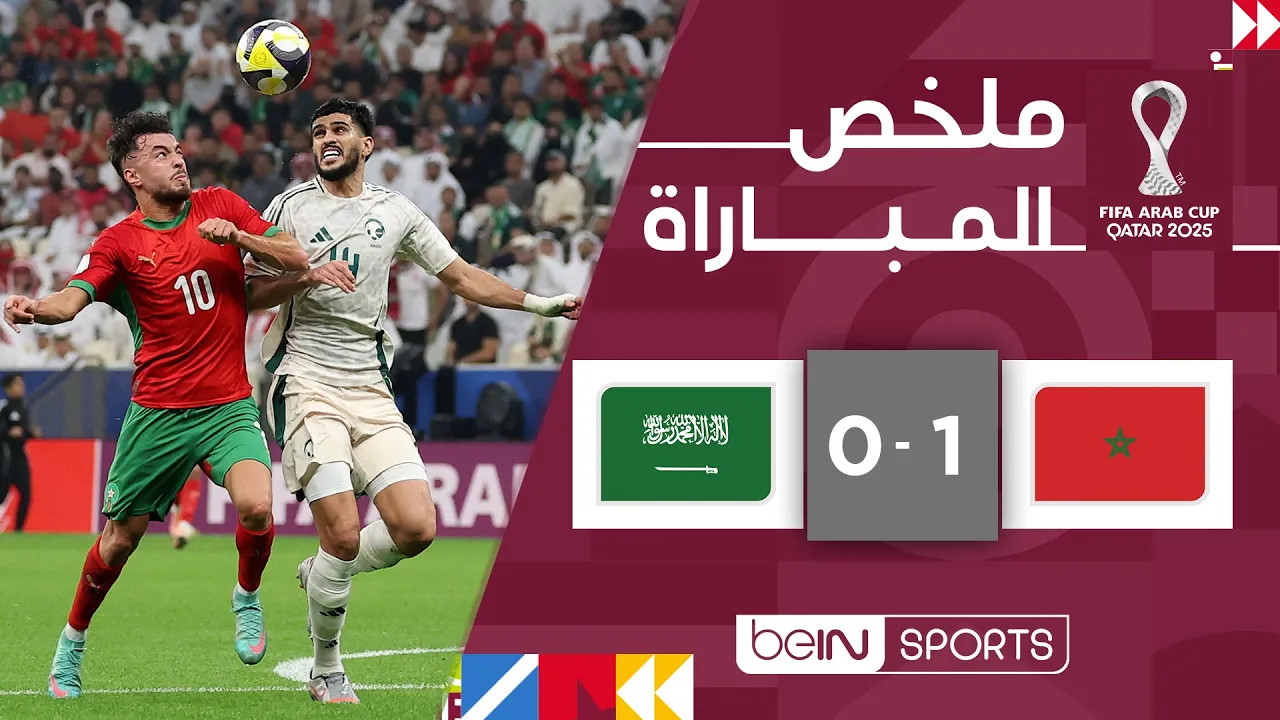
The international footballing landscape has entered a golden age of tactical sophistication. No longer are national teams defined merely by their raw individual talents; instead, the sophisticated coaching philosophies of European club giants—from Pep Guardiola’s strict positional play to Carlo Ancelotti’s fluid pragmatism—have successfully migrated to the international stage.
As the global football community prepares for the highly anticipated FIFA World Cup 2026, the battle for tactical supremacy is reaching a fever pitch. Traditional powerhouses are discarding outdated methods in favor of highly adaptable, data-driven frameworks. This analytical editorial dismantles the modern tactical paradigms, highlights the structural transformations across major confederations, and provides a comprehensive look at the tactical setups that will dictate the future of elite football.
The Changing Architecture of International Clashes
Historically, international tournaments were won by defensive cohesion and moments of individual brilliance. Because national team managers had limited training camps to implement intricate systems, they relied on simplistic structures. However, modern training methodologies, advanced video analysis, and highly integrated youth academies have changed the equation.
Today, international fixtures mimic the intensity and tactical complexity of the UEFA Champions League. We observe nations operating in complex pressing structures, employing asymmetrical rest-defense lines, and utilizing hybrid midfields that transition from 4-3-3 structures in defense to 3-2-4-1 configurations in possession. The micro-battles in the middle of the pitch have become more pronounced, where structural flexibility dictates survival.
The Road to 2026: An Expanded Global Arena
The expansion of the FIFA World Cup 2026 to 48 teams has altered not only the logistics of qualification but also the strategic preparation of elite coaches. Navigating a tournament with an additional knockout round demands unprecedented squad depth and physiological preservation. Managers can no longer rely on a static starting eleven; they must build tactical identity systems that remain resilient despite heavy rotation.
Key Structural Impacts on International Football:
- Tactical Longevity: Teams must design low-fatigue defensive shapes to endure a grueling 8-match journey to the trophy.
- The Five-Substitutes Rule: Modern tacticians utilize their bench to fundamentally shift systems mid-game, turning substitutions into tactical weapons.
- Confederation Parity: Emerging nations in CAF, AFC, and CONCACAF have closed the gap, implementing highly organized defensive low-blocks that stifle traditional giants.
As qualification cycles conclude and the final squad selections loom, the elite managers of South America and Europe are faced with a dual task: maintaining the chemistry of their veteran leaders while integrating the next wave of high-energy youth prospects. This balancing act will define the early stages of the tournament.
Deep-Dive Tactical Analysis: The Chessboard of Modern Football
To understand where international football is heading, we must analyze the specific mechanical adjustments happening on the pitch. Modern coaches are obsessed with space creation, defensive compactness, and transition dominance.
1. Overloads and Positional Dominance in the Half-Spaces
Elite national teams are focusing their offensive sequences on the "half-spaces"—the vertical corridors between the center of the pitch and the wings. By occupying these zones with highly creative midfielders (such as Jamal Musiala for Germany or Jude Bellingham for England), teams force opposing fullbacks and center-backs into difficult decision-making scenarios.
When an attacking midfielder drops into the half-space, they pull the defender out of the backline, creating massive voids for overlapping wingers or inverted fullbacks. This structural manipulation turns possession into a dynamic probe rather than sterile horizontal passing.
2. The Rest-Defense Structure (3+2 or 2+3 setups)
The most critical element of modern football is not what a team does when they have the ball, but how they prepare for the moment they lose it. This concept, known as "rest-defense," involves maintaining a strict defensive shape with the non-attacking players while the offensive phase is active.
Top teams usually deploy a 3+2 rest-defense structure: three deep defenders (the two center-backs and a stayed-back fullback) and two deep-lying midfielders sitting just in front of them. This block of five players acts as an insurance policy against counter-attacks, shutting down central passing lanes and engaging in immediate counter-pressing to win the ball back high up the pitch.
Player Spotlight: The Generational Architects
While tactical systems are crucial, they are ultimately executed by the world's most gifted athletes. Several key players have redefined their positions, serving as tactical cheat codes for their respective managers.
Bellingham represents the ultimate evolution of the modern midfielder. Blessed with physical power, technical grace, and an elite footballing brain, he allows England to transition seamlessly between a solid defensive double-pivot and an aggressive second striker role. His ability to read space makes him a dual-threat in transitions.
The ultimate weapon of verticality. Mbappé's speed forces opposition defensive lines to drop deeper, which naturally creates space in the midfield for creative players to operate. Whether deployed as a central forward or drifting from his favored left flank, his presence dictates the defensive structure of entire nations.
Key Strategic Elements: Set-Piece Optimization & Transitional Phase Control
In tournament football, the margins between success and failure are paper-thin. When two tactically disciplined, elite defensive blocks face off, open-play goals are notoriously hard to come by. This is where set-piece design and transition speed become the decisive factor.
Over the past decade, national federations have invested heavily in dedicated set-piece analysts. From creative blocking routines during corner kicks to inswinging deliveries targeted at specific zones of vulnerability, set-pieces have evolved into complex, rehearsed plays. A single set-piece routine can alter the trajectory of a knockout fixture.
Similarly, the first three seconds following a turnover are the most critical phases on the pitch. Tacticians instruct their squads to engage in "immediate pressure" (the five-second rule) to regain possession before the opponent can expand their defensive structure. Teams that master these micro-moments invariably find themselves in the latter stages of major tournaments.
Expert Tactical Opinion
"We are witnessing a fascinating shift where the physiological preparation of football players has reached its absolute peak. The difference-maker is no longer just endurance, but tactical stamina—the ability of a squad to maintain cognitive discipline under extreme pressure for 120 minutes. The coaches who build simple, highly logical frameworks that do not overload the minds of their players will ultimately triumph."
— Editorial Board, FIFA WORLD CUP NOORLooking Ahead: What to Expect in the Next Matchday Cycle
As we approach the final stretch of international preparation, football fans can expect high-octane friendly schedules and tactical experiments from the world's top managers. Squad selections will be heavily scrutinized, with analytics departments tracking physical loads, progressive passing metrics, and defensive recovery speeds.
The quest for global dominance is open, and history will be written by those who dare to innovate. From tactical overloads to stellar individual moments, the path to gold is set to capture the imagination of millions around the globe.
Exclusive Tactical Preview & Match Video Analysis
Visualizing the Modern Field Setup

Visual Match Dynamic: Modern teams utilize flexible positioning to overload key spaces on the pitch.
Frequently Asked Questions (FAQ)
Q1: What is the main tactical difference between club football and international football?
Club football allows for daily training, enabling highly complex, automated systems of play. International football, on the other hand, relies more on structural flexibility, fast adaptations, emotional intelligence, and utilizing simple tactical principles that can be easily memorized in short camp schedules.
Q2: How does the rest-defense structure work during transitions?
A rest-defense structure ensures that a dedicated block of defenders (usually five, such as a 3+2 setup) remains in deep positions while their teammates attack. When possession is lost, these players immediately lock the center of the field and intercept counter-attacks before they can gather momentum.
Q3: Why are wingers playing such a critical role in modern tactics?
With compact midfields being heavily congested, wingers are essential to stretch the opponent's defensive block horizontally. Inverted wingers can isolate fullbacks in 1v1 scenarios or drift inside, opening the flanks for overlapping fullbacks.
Q4: What role do set-pieces play in determining major tournament champions?
In tight knockout matches where open-play goals are scarce, set-pieces often account for over 30% of total tournament goals. Detailed set-piece analysis and routine execution can comfortably decide tight fixtures.
Q5: How will the 48-team format impact squad tactical rotations?
The expansion means teams must play 8 matches to win the trophy. Coaches must rotate players across positions to prevent physical fatigue and psychological burnout, making high-utility players and dynamic bench configurations more important than ever.
About FIFA WORLD CUP NOOR
FIFA WORLD CUP NOOR is an elite, independent football publication offering deep analytical coverage of global football developments. From comprehensive breakdowns of the FIFA World Cup and the road to 2026, to tactical analysis of the Champions League, Premier League, LaLiga, Serie A, Bundesliga, Ligue 1, and international tournaments, we bring fans the ultimate journalistic perspective on the beautiful game.


No comments:
Post a Comment