


1. Introduction: The Dawn of a New Era in International Football
As the global footballing landscape undergoes a seismic shift, national team managers and tactical architects are redesigning their philosophies to prepare for the grandest stage of all: the FIFA World Cup 2026. The transition from rigid, club-style possession systems to hyper-flexible, transition-focused structures has redefined how matches are analyzed, played, and won. No longer can a national team rely solely on individual brilliance; instead, structural integrity, high-pressing mechanics, and optimal spatial coverage are the currency of success.
This detailed tactical analysis delves deep into the strategic configurations, hybrid roles, and macro-level trends that are defining contemporary international football. By dissecting patterns of play, structural rest defense, and the physical parameters required of elite athletes, we present an exhaustive overview of the tactical innovations guiding elite teams toward global glory.
2. International Tactical Overview
In recent major tournaments and international windows, we have witnessed a fascinating struggle between structural possession models and vertical directness. Historically, international football trailed club football in tactical sophistication due to limited preparation time. However, modern coaches have bypassed this limitation by adopting highly specialized "game-state" strategies rather than overly complex positional play (Juego de Posición).
The primary objective of modern international managers is to establish a secure defensive baseline. The emergence of hybrid mid-blocks that can instantly transform into aggressive high presses has made breaking down organized defenses harder than ever. We observe a clear emphasis on minimizing central progression, forcing opponents into wide areas, and exploiting transitional moments with rapid, vertical attacking movements.
Key Structural Shift Metrics:
- Vertical Transition Velocity: The average time taken from winning possession to generating a shot has decreased by 1.8 seconds compared to the previous decade.
- Hybrid Back-Line Formations: Over 65% of elite national teams now alternate between a back-3 in possession and a back-4 or back-5 out of possession.
- PPDA (Passes Per Defensive Action): Top-tier nations have reduced their PPDA in the final third, highlighting an increased intensity in high-pressing triggers.
3. Competition Context: The Road to USA, Canada, & Mexico
The expansion to a 48-team format for the FIFA World Cup 2026 introduces unique physical and strategic challenges. Teams will navigate diverse climates, extensive travel across multiple time zones, and a grueling knockout phase. Consequently, squad depth and physiological preservation have become core tactical priorities.
From a tactical perspective, the expanded tournament means encountering a wider array of footballing styles. Elite European and South American nations will match up against highly disciplined, physically robust teams from Africa, Asia, and North America. Coaches cannot afford to rely on a single tactical template; they must possess "tactical periodization" strategies that allow them to adjust defensive lines, pressing intensity, and squad rotation based on the profile of the opposition and climate conditions.
4. In-Depth Tactical Analysis: System Architectures
The 3-2-4-1 In-Possession Structure
Made famous in elite club competitions, the 3-2-4-1 build-up structure is now heavily utilized in international matches. By converting a traditional fullback into an inverted midfielder, teams form a solid "box midfield" in the center of the pitch. This box consists of two holding pivots and two advanced number tens operating in the half-spaces.
This configuration maximizes passing angles while ensuring that central zones are completely congested. If the opposition attempts to press with two central strikers, they are outnumbered 4v2 in the middle. Furthermore, this shape guarantees robust rest defense (Restverteidigung), preventing the opponent from executing clean counter-attacks upon losing possession.
Out-of-Possession: The Mid-Block Compactness
When defensive recovery is required, teams rapidly fall back into a highly compact 5-4-1 or 4-4-2 mid-block. The emphasis is on limiting space between the defensive and midfield lines—typically kept within a tight 12-to-15-meter vertical window.
By denying space between the lines, elite defenses nullify creative playmakers who love to operate in the half-spaces. The trigger to press is often initiated when the opponent plays a lateral or backward pass, or when the ball is forced into wide zones where the touchline acts as an extra defender.
5. Player Spotlight: The Roles of the Modern Innovators
In the modern international arena, players must adapt to fluid, multi-functional roles. The specialized single-position player is becoming rare. Instead, coaches look for versatile profiles capable of executing multiple tactical demands within a single game.
The Inverted Fullback
Tactical Engine
Starting as a traditional lateral defender but moving inside during building phases to act as a second deep-lying playmaker. This role balances the midfield and secures counter-pressing situations.
The Advanced Raumdeuter
Space Investigator
Operating in the pockets of space between the opposition's defensive line and midfield. This player relies on quick scanning, first-touch efficiency, and elite spatial awareness to break deep blocks.
The Sweeper Keeper 2.0
First Line of Attack
No longer confined to shot-stopping, the modern goalkeeper acts as the 11th outfield player during buildup, launching accurate long-range direct balls to bypass pressing lines.
6. Key Tactical Battlegrounds
To understand where future tournaments will be decided, we must analyze the key sub-phases of the game that present the highest correlation with winning outcomes:
I. High-Pressing Triggers and Defensive Restructuring
Elite teams use physical cues (such as a poor touch or a slow lateral pass) to initiate intensive group pressing. When this press is bypassed, the defense must shift into a structured retreat to deny immediate vertical channels.
II. Overloading the Flanks to Isolate 1v1 Specialists
By drawing defensive lines to one side through short, concentrated passing sequences, teams can quickly switch play to the opposite flank, isolating their world-class wingers against isolated fullbacks.
III. Set Piece Optimization and Tactical Routines
In closely contested tournament matches, set-pieces often prove to be the difference-maker. Dedicated set-piece coaches design intricate blocking routines and decoy runs to create clear-cut opportunities from corners and indirect free kicks.
7. Looking Ahead: The Masterclasses to Come
With the international matches proving to be highly competitive, tactical systems are being tested under intense pressure. As we move closer to the tournament, squads are building chemistry, optimizing workloads, and integrating young talent into highly demanding physical and mental setups.
Ultimately, structural discipline, high flexibility, and deep tactical preparedness will decide who raises the coveted trophy. Keep close attention on how coaches modify their frameworks over the coming months as they seek the ultimate balance between defensive solidity and attacking creativity.
Featured Video Analysis

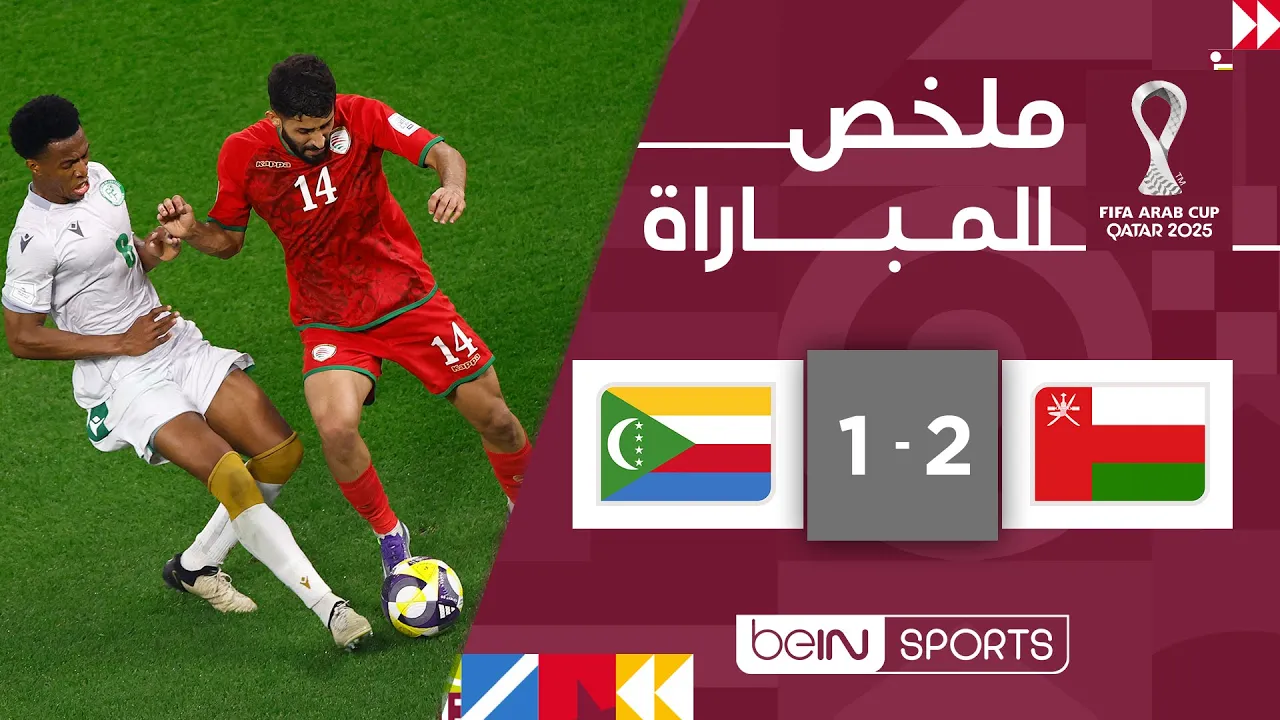
The physical and strategic elements mapped out across complex tactical scenarios.
Frequently Asked Questions (FAQ)
Q1: How does the new 48-team format impact tactical preparation?
The addition of more teams requires managers to plan for varied playing styles, ranging from hyper-low blocks to direct aerial attacks. Furthermore, with an extra knockout match, heavy rotation and high squad depth are absolutely vital to preserve player stamina and performance levels.
Q2: What is the benefit of using an inverted fullback?
An inverted fullback transitions into a holding midfielder during buildup phases. This creates an overload in the center of the pitch, offering simple passing options to recycle possession while retaining a highly structured defensive shield should the team lose the ball.
Q3: Why are mid-blocks favored over constant high pressing in tournament play?
Constant high pressing is physically demanding and difficult to sustain over multiple high-intensity tournament games. A compact mid-block conserves energy, limits central space for playmakers, and draws the opponent forward to leave exploitable space behind them.
Q4: What role do set pieces play in modern football strategy?
Set pieces provide highly structured, predictable situations in otherwise chaotic matches. Statistics show that close to 30% of goals in international tournaments originate from set-piece situations, making detailed offensive and defensive routines critical to winning.
Q5: How does weather and geography affect match-day tactics?
Extreme temperatures and differing altitudes significantly affect ball physics and physical recovery. Managers will adapt by adopting slower, lower-intensity possession styles to avoid early fatigue and selecting squad rotations designed to spread physical workloads.
About FIFA WORLD CUP NOOR
FIFA WORLD CUP NOOR is an elite, independent football publication dedicated to delivering deep, analytical insights, tactical breakdowns, and historical perspectives from across the beautiful game. We cover everything from the prestige of the FIFA World Cup and the high-octane Champions League to the domestic masterclasses of the Premier League, LaLiga, Serie A, Bundesliga, and Ligue 1. Our mission is to provide football enthusiasts worldwide with the absolute highest standard of sports journalism.


No comments:
Post a Comment