

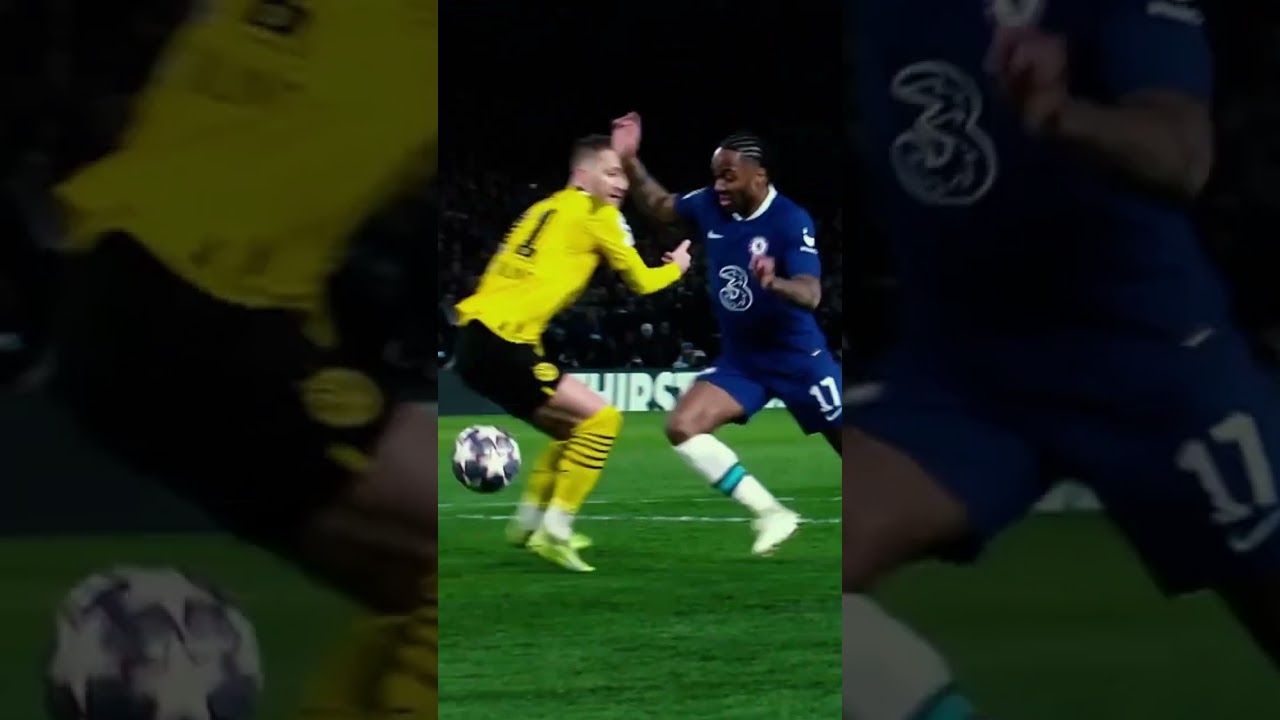
UEFA Champions League Quarter Finals: The Pinnacle of European Football
Where Legends are Forged and Dreams Collide on the Grandest Stage
The Ultimate Test: Entering the Champions League Elite Eight
The UEFA Champions League Quarter Finals represent a crucial juncture in the most prestigious club competition globally. It is at this stage that the wheat is truly separated from the chaff, where only the most resilient, tactically astute, and star-studded teams remain. The journey through the group stages and the demanding Round of 16 culminates in these electrifying encounters, setting the scene for football drama of the highest order. Every pass, every tackle, every shot carries immense weight, as clubs from across Europe battle not just for a place in the semi-finals, but for eternal glory and a chance to lift the coveted trophy.
For many, the Champions League transcends mere club football; it's a spectacle that rivals even the grandeur of the FIFA World Cup in terms of sheer quality and consistent high-stakes competition. The quarter-finals, in particular, often produce some of the most memorable moments in the tournament’s history. Fans are treated to clashes between titans from the Premier League, LaLiga, Serie A, Bundesliga, and Ligue 1, each bringing their unique brand of football to the European stage. The intensity is palpable, the pressure immense, and the rewards immeasurable. This phase defines seasons and shapes legacies, making it a focal point for football news and analysis worldwide.
Relive the Passion: Champions League Highlights
Experience the drama and breathtaking moments that define the UEFA Champions League Quarter Finals.
Video content showcasing the excitement of European football.
The Crucible of European Ambition
The Quarter Finals draw consistently pits Europe’s most dominant forces against one another. Gone are the days of easier draws; every pairing here feels like a potential final. We see the champions and top contenders from the Premier League bringing their high-octane, physical style, often exemplified by clubs known for their relentless pressing and attacking prowess. LaLiga giants, with their intricate passing and technical brilliance, offer a contrasting yet equally effective approach. The tactical discipline and robust structures of clubs from Serie A clash with the often free-flowing, goal-heavy dynamics of the Bundesliga. And let's not forget the emerging powerhouses from Ligue 1, who increasingly assert their presence with flair and strategic depth.
These matchups are not just about individual brilliance but also about the clash of football philosophies. Managers meticulously prepare, scouting opponents to identify the minutest weaknesses and leveraging every possible advantage. The two-legged format adds another layer of complexity, demanding both offensive firepower and defensive solidity across 180 minutes of football. The away goal rule, while debated, has historically added extra drama, turning draws into thrilling finales. Each quarter-final tie becomes a miniature tournament in itself, a test of nerve, skill, and mental fortitude that shapes the entire competition narrative.
Global Implications and Domestic Dominance
The UEFA Champions League Quarter Finals hold significant weight beyond the confines of European club football. Success here can catapult players into international stardom, influencing their standing for national team selections, particularly with major tournaments like the FIFA World Cup 2026 on the horizon. The performances on this elite stage are closely watched by national team coaches, scouts, and fans alike, forming a critical component of a player's resume.
Domestically, a deep run in the Champions League can energize a club's season, even if their league form is inconsistent. Conversely, an early exit can deflate morale and shift focus entirely back to domestic championships. The demands of competing in the Champions League, particularly at the quarter-final stage, are immense. Clubs must balance challenging domestic fixtures in the Premier League, LaLiga, Serie A, Bundesliga, or Ligue 1 with the intense European schedule, often leading to squad rotations, injury concerns, and tactical adjustments. This delicate balancing act is a testament to the comprehensive preparation and depth required at the highest level of professional football. These matches are not merely isolated events; they are threads woven into the larger tapestry of the global football season, impacting everything from transfer market values to national team dynamics and overall football news narratives.
Dissecting the Quarter-Final Showdowns
Analyzing the UEFA Champions League Quarter Finals requires a deep understanding of each team's strengths, weaknesses, and current form. Each tie presents a unique set of challenges and opportunities. For instance, a clash between a free-scoring Premier League side and a defensively robust Serie A contender often comes down to who can impose their style more effectively. The English clubs typically bring an unrelenting tempo, high pressing, and powerful wing play, aiming to overwhelm opponents with pace and aggression. Their Italian counterparts, conversely, might seek to frustrate, absorb pressure, and hit on the counter with clinical efficiency, relying on organized backlines and astute tactical positioning.
When a LaLiga powerhouse meets a Bundesliga giant, the tactical battle becomes even more intricate. Spanish teams, often steeped in possession-based football and technical superiority in midfield, will look to control the tempo and break down defenses with intricate passing sequences. German clubs, renowned for their disciplined approach, athletic prowess, and direct attacking football, might seek to disrupt this rhythm through intense counter-pressing and swift transitions. The individual duels across the pitch become pivotal: a winger's ability to beat a full-back, a midfielder's dominance in the engine room, or a striker's predatory instincts in front of goal – these micro-battles often decide the larger war.
Furthermore, the influence of managerial strategies cannot be overstated. A coach's ability to adapt their tactics across two legs, to make crucial in-game adjustments, and to motivate their squad through periods of adversity is often the differentiating factor. The psychological aspect is also paramount; experienced teams accustomed to deep Champions League runs often possess a mental edge that can be decisive in tight situations. Football analysis at this stage isn't just about statistics, but about understanding the human element, the pressure, and the sheer desire to succeed that drives these elite athletes and their clubs.
"The UEFA Champions League Quarter Finals are where strategic chess meets raw footballing passion. Every decision, on and off the pitch, is magnified under the European spotlight."
The quarter-final stage is also notable for unexpected heroes and last-minute drama. A moment of individual brilliance, a controversial refereeing decision, or an inspired substitution can swing the momentum of an entire tie. These are the moments that create lasting football highlights, replayed for years to come. The atmosphere in the stadiums, particularly in the second leg, often reaches fever pitch, with home crowds roaring their teams on, adding another layer of pressure and excitement. This is why the Champions League continues to captivate audiences globally, consistently delivering unparalleled match analysis opportunities and unforgettable spectacles.
Heroes on the Horizon: Key Players to Watch
Every Champions League Quarter Final tie inevitably features a cast of superstars capable of turning a game on its head. These are the players who thrive under pressure, whose moments of magic can define the outcome of an entire season. From prolific strikers leading the line, capable of scoring from anywhere, to creative midfielders dictating play and unlocking stubborn defenses, and world-class defenders making crucial interventions, individual brilliance is often the catalyst for collective success.

The Goalscorers
Strikers from top clubs in the Premier League, LaLiga, Bundesliga, and Ligue 1 consistently compete for the Golden Boot, and their performances in the Quarter Finals are critical. Their ability to convert half-chances, win aerial duels, and link up with wingers and attacking midfielders can be the difference between progression and elimination. These players are often the focal point of their team's attacking strategy, demanding constant attention from opposition defenders.
Midfield Maestros
The midfield battle is often where Champions League ties are won or lost. Players capable of controlling possession, breaking up opposition attacks, and initiating swift counter-attacks are invaluable. Whether it's a deep-lying playmaker, a box-to-box engine, or an attacking midfielder providing the crucial link between defense and attack, their influence permeates every aspect of the game. Their vision and passing range are essential for navigating compact defenses.
"In the Champions League Quarter Finals, individual brilliance elevates team performance. A single moment of magic from a star player can change the entire dynamic of a tie, making these matches essential viewing for any football fan."
Beyond the attacking and midfield talents, the importance of goalkeepers and central defenders cannot be overstated. A crucial save, a goal-line clearance, or a dominant aerial performance can be as impactful as a match-winning goal. These are the unsung heroes who provide the defensive foundations upon which attacking football is built. The pressure on these players in a Champions League Quarter Final is immense, as any mistake can be devastating. Their composure and ability to perform under the brightest lights are key to their team's aspirations for international football glory.
The Chess Match: Deconstructing Quarter-Final Tactics
Tactical battles are at the heart of every UEFA Champions League Quarter Final. Managers spend countless hours analyzing opponents, devising game plans that exploit weaknesses and neutralize threats. Common tactical themes emerge: the high press versus the deep block, wing-back supremacy, midfield control, and set-piece strategies. A team might opt for a fluid 4-3-3 formation, aiming to dominate possession and create overloads in wide areas, while their opponent counters with a resolute 4-4-2 or 3-5-2, focusing on defensive solidity and rapid counter-attacks.
The evolution of football has seen tactical sophistication reach new heights. False nines, inverted wingers, and ball-playing center-backs are now commonplace. In these high-stakes matches, the ability to transition quickly from defense to attack and vice versa is paramount. Teams that master these transitions often gain a decisive advantage. Furthermore, the use of zonal marking versus man-marking in set-piece situations can also be a significant factor, with coaches meticulously planning routines to score from dead-ball situations or defend against them.
"Modern football analysis highlights the micro-battles: how full-backs handle wingers, the effectiveness of a midfield pivot, and the pressing triggers that can turn defense into attack in an instant."
Managerial substitutions are often critical in the second half of these tight encounters. Bringing on fresh legs, introducing a different tactical profile, or chasing a goal can entirely change the complexion of a game. These tactical adjustments are part of the broader match analysis, where coaches attempt to outwit their counterparts. The two-legged format also allows for tactical evolution between games; what didn't work in the first leg might be entirely overhauled for the second, leading to fascinating tactical shifts and counter-shifts. This level of strategic depth makes the Champions League an enthralling spectacle for purists of the beautiful game, and a perfect subject for comprehensive football analysis and football news outlets.
The Enduring Legacy of Europe's Elite Competition
The UEFA Champions League, and especially its Quarter Finals, serves as a benchmark for club excellence globally. Winning this trophy is often seen as the ultimate achievement in club football, surpassing even domestic league titles in prestige for many top teams. The competition consistently showcases the highest standards of play, attracting the best talent from every corner of the globe. Its history is replete with iconic teams and legendary players, contributing to a rich tapestry of footballing heritage.
Compared to domestic leagues such as the Premier League, LaLiga, Serie A, Bundesliga, or Ligue 1, the Champions League offers a unique challenge due to the diverse styles of play and the sheer quality of opposition in every round. A team might be dominant in their home league but find themselves tested to their limits against a different tactical system from another country. This cross-cultural footballing exchange enriches the sport and highlights the strengths and weaknesses of various national league philosophies. It’s an invaluable platform for football analysis, providing insights into global trends and emerging talents.
"The Champions League Quarter Finals are not just matches; they are chapters in the grand narrative of European football, shaping reputations and creating indelible memories."
The financial incentives are also enormous, driving clubs to invest heavily in squad building and infrastructure. Qualification for the Champions League, let alone progressing to the quarter-finals, brings significant revenue through prize money, broadcast rights, and increased commercial opportunities. This financial injection further fuels the cycle of attracting top talent, reinforcing the tournament's position at the pinnacle of club football. The competition's influence extends to the global stage, with its winners and star players often becoming contenders for individual awards and key figures in major international tournaments, including the FIFA World Cup.
Insights from the Sidelines: The View of Football Pundits
For seasoned football journalists and pundits, the UEFA Champions League Quarter Finals offer a fertile ground for in-depth analysis and debate. The consensus often points to the sheer unpredictability of this stage; despite meticulous preparation, upsets are always a possibility. The fine margins, such as a moment of individual error or a flash of genius, can swing a tie decisively. Experts often highlight the importance of squad depth, especially with the demanding schedule that top clubs face in balancing domestic and European commitments.
The ability of managers to react to adverse situations, whether it's conceding an early goal or dealing with injuries to key players, is frequently cited as a crucial factor. The psychological aspect is also a recurring theme in expert commentary; teams with a strong winning mentality and experience in high-pressure environments often perform better when the stakes are highest. This mental fortitude is often forged through years of competing for league titles in the Premier League, LaLiga, Serie A, Bundesliga, or Ligue 1, as well as previous deep runs in the Champions League itself.
"The Champions League Quarter Finals are not just a test of footballing skill, but also of mental resilience and tactical ingenuity. The teams that demonstrate unwavering focus and adaptability are often the ones that advance."
Discussions often revolve around the legacy impact of winning the Champions League. For clubs, it solidifies their place among Europe's elite. For players, it can be the crowning achievement of their career, enhancing their chances of securing individual accolades or being part of future FIFA World Cup squads. The narrative around these matches feeds the broader football news cycle, providing endless topics for analysis, debate, and the enjoyment of fans globally. The quarter-finals are truly a connoisseur's delight, offering complex tactical matchups and raw, unbridled footballing passion.
Beyond the Quarters: The Path to European Glory
The teams that emerge victorious from the UEFA Champions League Quarter Finals do so having endured two grueling legs of intense football. Their reward is a place in the semi-finals, a stage even closer to the ultimate prize. The momentum gained from overcoming a top-tier opponent in the quarters can be invaluable, instilling confidence and belief that can carry a team all the way to the final. However, the challenges only intensify, as semi-final opponents are often equally, if not more, formidable.
The journey to the Champions League final is a marathon, not a sprint, demanding consistent excellence across multiple months and myriad high-pressure situations. Success in the quarter-finals often sets the tone for a club's aspirations not just for the current season but for years to come. It attracts new talent, strengthens financial standing, and enhances the club's global brand. For the players, reaching the latter stages of the Champions League adds significant weight to their CVs, potentially influencing their market value and their standing in international football. Elite performances here are often direct precursors to selection for major tournaments like the FIFA World Cup or the FIFA World Cup 2026 qualifiers.
The narratives that develop in the quarter-finals—underdog stories, rivalries rekindled, tactical masterclasses—continue to evolve through the semi-finals and into the showpiece final. These are the moments that truly captivate the footballing world, generating immense excitement and anticipation. The quest for the Champions League trophy is an epic saga of courage, skill, and strategic brilliance, offering football news and football analysis enthusiasts an unending source of fascination and discussion. Every match highlight becomes a piece of history, cementing the tournament's place as the pinnacle of club competition.
Frequently Asked Questions About the Champions League Quarter Finals
What makes the Champions League Quarter Finals so special?
The quarter-finals are special because only the top eight teams in Europe remain, ensuring high-quality matchups with genuine title contenders facing each other. The stakes are incredibly high, as victory brings a club closer to the most coveted trophy in European club football, fostering intense drama and memorable moments.
How do teams typically approach these two-legged ties?
Teams generally approach two-legged ties with a blend of caution and ambition. The first leg often involves feeling out the opponent, with a focus on not conceding crucial away goals. The second leg, particularly at home, can see teams pushing more aggressively, especially if they need to overturn a deficit. Tactical flexibility and game management across 180 minutes are paramount.
What is the impact of Champions League success on domestic leagues?
Champions League success can significantly impact domestic league performance. A deep run builds confidence and momentum, but the increased fixture congestion and travel can also lead to player fatigue and potential injuries, affecting league form. Clubs often need robust squads to compete effectively on both fronts, whether in the Premier League, LaLiga, Serie A, Bundesliga, or Ligue 1.
How does the Champions League compare to the FIFA World Cup?
While both are pinnacle football tournaments, the Champions League is a club competition, showcasing consistent high-level play over a season with established club dynamics. The FIFA World Cup is an international tournament, occurring every four years, featuring national teams and representing the ultimate global footballing event. Both demand elite performance but in different contexts, yet success in the Champions League often enhances a player's standing for World Cup selection.
What role do individual player performances play?
Individual player performances are crucial. While football is a team sport, moments of individual brilliance – a match-winning goal, a vital save, a game-changing assist, or a crucial defensive block – can often be the decisive factor in tight Champions League Quarter Finals matches. Star players are expected to deliver under pressure, and their ability to do so often separates the winners from the losers.
About FIFA WORLD CUP NOOR
FIFA WORLD CUP NOOR is dedicated to bringing you premium football news, insightful analysis, and captivating highlights from across the globe. We delve deep into the world of international football, covering major tournaments like the UEFA Champions League, the Premier League, LaLiga, Serie A, Bundesliga, and Ligue 1, as well as providing extensive coverage of the FIFA World Cup and the road to the FIFA World Cup 2026. Our mission is to deliver professional, in-depth match analysis and comprehensive football coverage that informs and engages true fans of the beautiful game.
With FIFA WORLD CUP NOOR, you gain access to expert opinions, tactical breakdowns, player spotlights, and the latest developments in international football. We strive to offer a magazine-quality experience, keeping you connected to every thrilling moment and significant story in the world of football. Stay tuned for more exclusive content and unparalleled football news.
Explore more compelling content on FIFA WORLD CUP NOOR for the latest Football News and expert Football Analysis. Dive into the world of Champions League action, from intense Match Analysis to stunning Football Highlights. We cover all major leagues including the Premier League, LaLiga, Serie A, Bundesliga, and Ligue 1, providing unparalleled coverage of International Football. Stay informed about the FIFA World Cup and anticipate the excitement building towards FIFA World Cup 2026.
© FIFA WORLD CUP NOOR. All rights reserved.


No comments:
Post a Comment